Animals Can Digest Nature's Original Bioplastic
Key Vocabulary
a natural polymer that many microorganisms store as carbon and energy
Some bacteria store PHA inside their cells.
a large molecule produced by living organisms
PHA is a biopolymer made by microorganisms.
a protein that helps a chemical reaction happen
The researchers found an enzyme that can break down PHA.
an organism that lives in a close relationship with another organism
The marine worm depends on bacterial symbionts.
to break a material down into simpler parts
Several animal enzymes can degrade microbial PHA.
Article
Plastic is usually discussed as something humans invented, but some microorganisms have been making natural plastic-like materials for an enormous span of evolutionary time. These compounds, called polyhydroxyalkanoates or PHAs, are stored inside microbial cells as reserves of carbon and energy. A study published on August 13 has revealed a surprising consumer of those reserves: animals. [1][2]
Researchers at the Max Planck Institute for Marine Microbiology began with Olavius algarvensis, a tiny gutless marine worm whose bacterial partners contain large amounts of PHA. The team found that the worm has an enzyme that can break down the material, allowing it to gain access to energy stored by its symbiotic bacteria. [1][2]
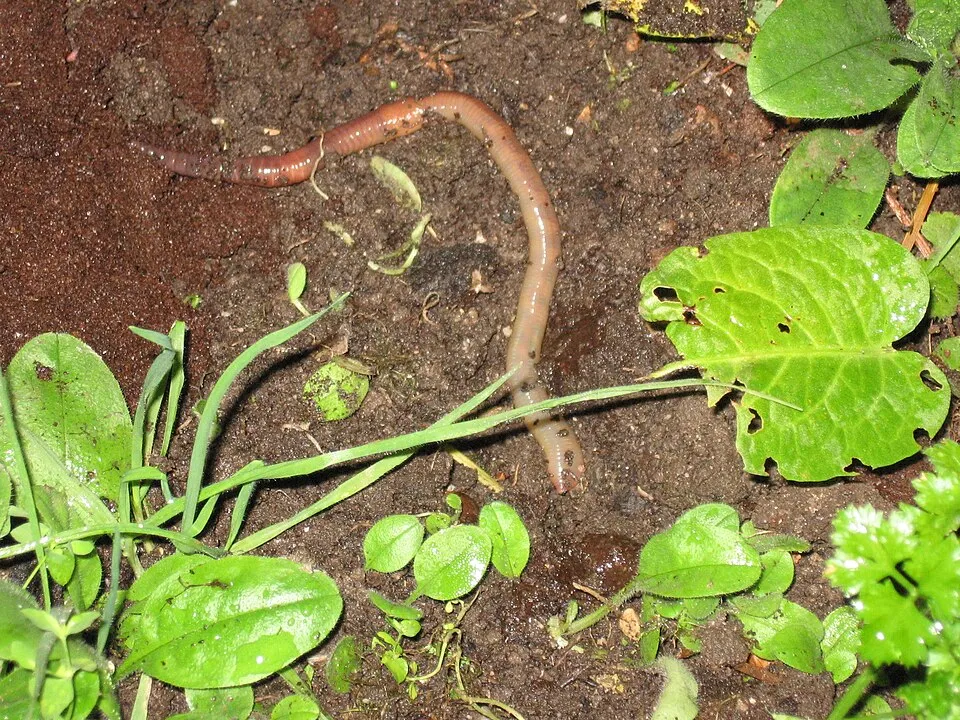
The researchers then searched more broadly. Related PHA-degrading enzymes appeared in more than 66 animal species across nine major animal groups, including starfish, sponges and terrestrial earthworms. Laboratory tests confirmed that enzymes from several distant animal lineages could degrade microbial PHAs. [1]
This changes an older assumption. Scientists had known that bacteria and fungi could break down these microbial storage compounds, but animals were not recognized as part of the process. The findings suggest that microbial PHAs may be a more direct food resource in ecosystems than previously understood. [1][3]
The discovery also attracts attention because PHAs are used industrially as biodegradable alternatives to some conventional plastics. However, the study does not show that earthworms or starfish can solve modern plastic pollution. It concerns naturally occurring microbial PHAs and the enzymes animals use to access them. [1][2]
The larger story is about food webs. A substance that looks like a technical material to humans can be an ancient energy reserve to microorganisms and, apparently, a nutrient source to some animals. The study adds a previously hidden route by which carbon can move from microbes into larger organisms.
Discussion Questions
- What surprised you most about animals being able to break down a material humans describe as bioplastic?
- Why is it useful for scientists to study how carbon moves between microorganisms and animals?
- How should researchers explain discoveries about biodegradable materials without making unrealistic promises about plastic pollution?
- What natural materials in your country are being studied as alternatives to conventional plastics?
- What other everyday words such as 'plastic' might give people the wrong first impression of a natural process?
References
Finished reading? Mark this lesson as done.