Built by Winter: The Fragile Logic of Canada's Ice Roads
Created by Brando Oxley · 20 Aug 2026
Key Vocabulary
a connected system of routes used to move people or goods
The winter transport network links remote communities.
part of a route that crosses land rather than frozen water
Crews prepare the overland section before heavy traffic begins.
a point after which something can no longer be safely used
A winter road has a natural expiry date each spring.
happening again regularly
Many winter roads are recurring routes rebuilt every year.
a point where different issues or systems meet
Ice roads sit at the intersection of climate and infrastructure.
Article
A conventional road is valuable because it resists seasonal change. Northern Canada's winter roads reverse that logic: many become usable only when cold weather transforms lakes, rivers and snow-covered ground into a temporary transport network. [1][3]
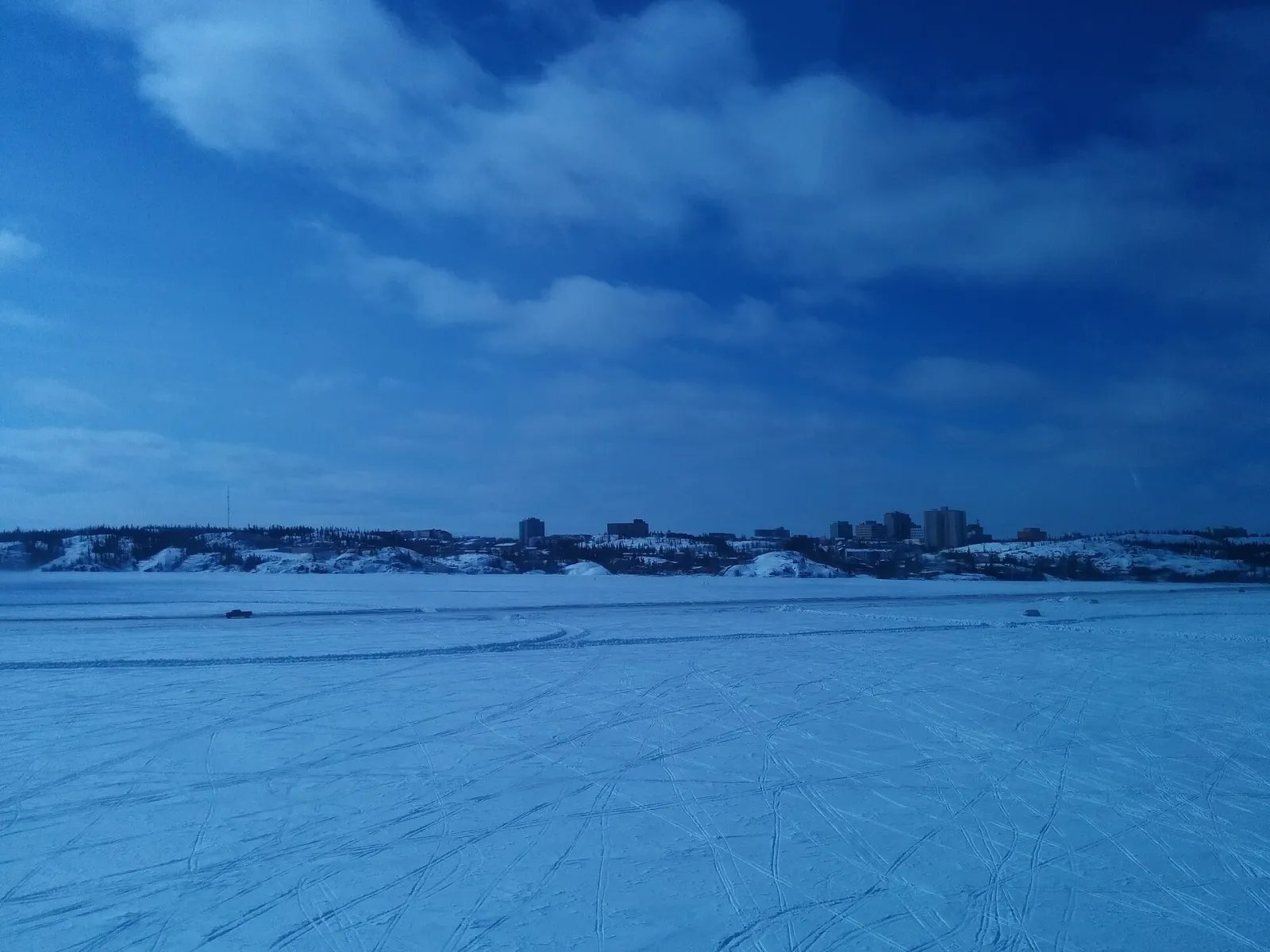
In the Northwest Territories, these routes connect remote communities that lack all-season road access. The territorial government describes a system serving nine communities, typically from December to April. Within that narrow window, fuel, construction material and other essential supplies can move by truck. [1]
The road surface is partly engineered and partly borrowed from the climate. Crews clear snow, prepare overland sections, establish routes across frozen water and repeatedly monitor conditions. Vehicle weight restrictions change as ice strength and road quality change. [1][2]
This creates a form of infrastructure with an unusually visible expiry date. A warm period can shorten the season, reduce the loads that can move safely or force a rapid closure. The government therefore emphasizes condition checks, survival equipment, travel plans and cautious driving. [2]
National Research Council work estimates roughly 8,000 kilometres of officially recognized recurring winter roads across Canada, while noting that additional community and private routes are harder to count. [3] Their importance is easy to underestimate from southern cities where year-round highways are taken for granted.
The deeper challenge is that these roads sit at the intersection of engineering, geography and climate. A bridge can be reinforced; a frozen lake cannot simply be ordered to remain winter. For communities that depend on the road season, the calendar is also part of the transportation system.
Discussion Questions
- How does a temporary transport network change the way people plan businesses, construction and household supplies?
- What makes an overland section or ice section different from a conventional permanent road?
- How should governments evaluate infrastructure that has a predictable expiry date every year?
- What recurring seasonal system in your country is vulnerable to changing weather?
- Which problem is hardest to solve when climate, geography and infrastructure meet at the same intersection?
References
Finished reading? Mark this lesson as done.