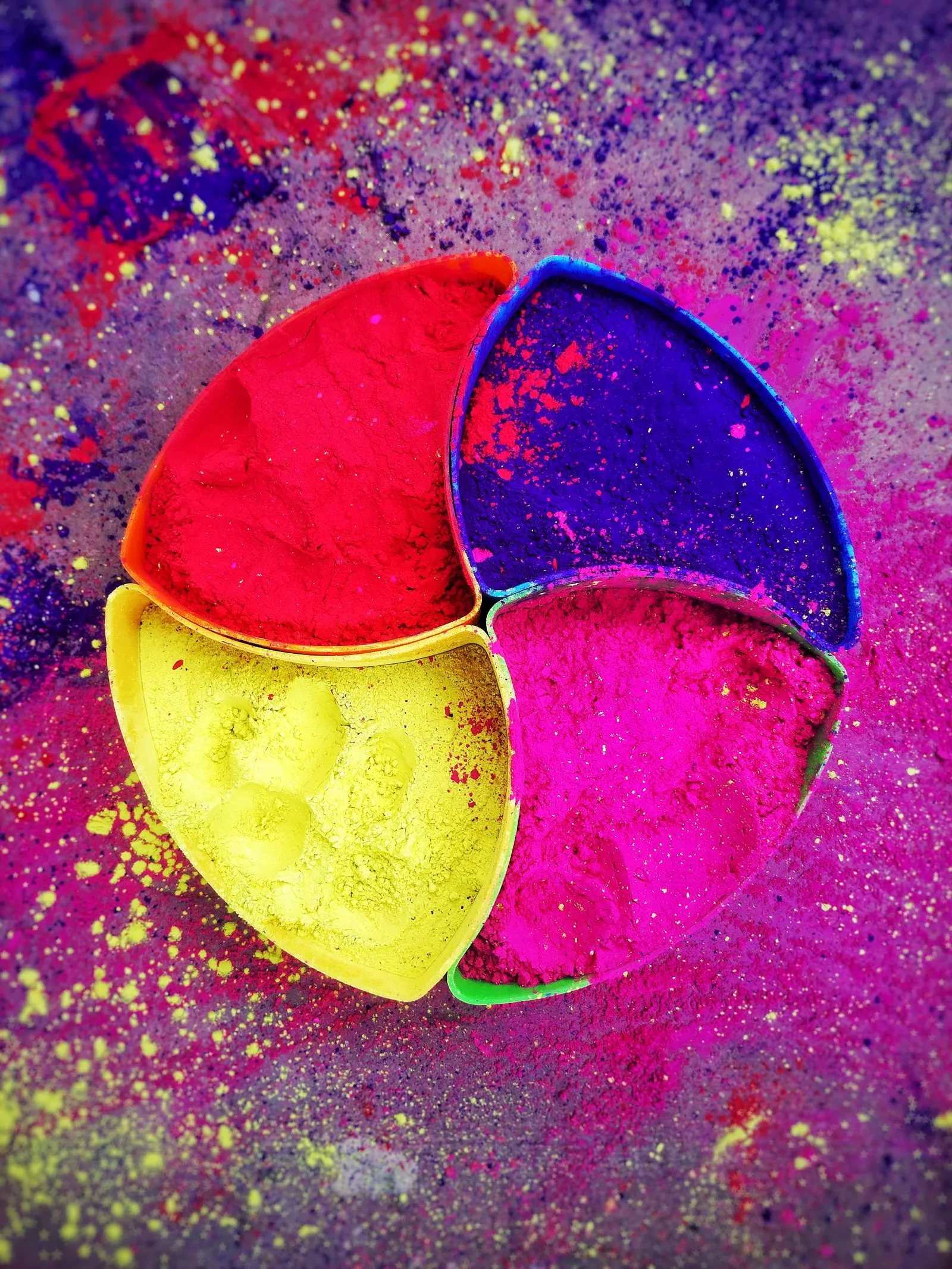
Why Colors Carry Different Meanings Across Cultures
Key Vocabulary
a particular color, such as red, blue, or green
The same hue can look lucky in one country and unlucky in another.
the public expression of sadness after someone has died
Black is a common color of mourning in much of Europe.
a connection in the mind between two things, such as a color and a feeling
The study looked at people's associations between colors and emotions.
a traditional way of behaving that a group of people share
Funeral customs help explain why white can mean sadness in China.
the situation around something that helps explain its meaning
Red means different things depending on the context: a rose or a stop sign.
Article
You buy a white card for a wedding, wrap a gift in red paper, or wear black to a funeral, and these choices may feel completely normal. But in another country, the same color can send a very different message. Color does not have one meaning everywhere. Culture helps decide what a color represents.
People around the world often connect colors with similar emotions, but there are also important differences. A 2020 study of 4,598 people in 30 countries found both shared patterns and local differences. Language, religion, traditions, and geography can all influence how people understand colors. [1][2]
White is a good example. In much of Europe and the Americas, white wedding dresses are connected with purity and new beginnings. In China, however, white has traditionally been used at funerals. The study found that Chinese participants connected white with sadness more strongly than people in many other countries. [1][2]
Red also has several meanings. In China, it is strongly connected with luck, weddings, and New Year celebrations. In many countries, red is also used for warning signs. The international study found that red was connected with both love and anger. The situation helps people understand which meaning is intended. [1][2]
Other colors also have cultural meanings. Black is commonly worn at funerals in many Western countries, but it can also represent elegance in fashion. Green is often connected with nature, while English speakers sometimes use the phrase "green with envy." Purple has a stronger connection with sadness in Greece, partly because of its use in Orthodox mourning traditions. [1]
These meanings are not fixed rules. Modern cities mix cultures, and traditions change over time. A color that is suitable for one event may be inappropriate for another. This is why travelers and designers should think about both culture and context. [2]
Color meanings often come from history, religion, celebrations, and everyday language. A gift can send the wrong message simply because of its color. Learning about these differences can help people communicate more respectfully.
The next time a color seems to have an obvious meaning, think about why. Your answer may come from a wedding, a holiday, a saying, or a tradition you have known for years.
Discussion Questions
- Which colors are lucky, unlucky, or serious in your culture, and who taught you that?
- Have you ever seen a color used in a way that felt strange because of your own background?
- If you designed a wedding invitation for a couple from two cultures, how would you choose the colors?
- Do you think films and social media are making color meanings more similar around the world?
- Would you rather follow local color customs when you travel, or keep the meanings from home? Why?
References
- Johannes Gutenberg Universitaet Mainz, "Colors evoke similar feelings around the world," ScienceDaily, summarizing Jonauskaite et al., Psychological Science, 2020. Source
- Domicele Jonauskaite et al., "Universal Patterns in Color-Emotion Associations Are Further Shaped by Linguistic and Geographic Proximity," Psychological Science, 2020. Source
Finished reading? Mark this lesson as done.