Discussions / Exercise & Fitness
Exercise & Fitness Conversation Questions for Adult ESL Classes
Twenty conversation questions about exercise and fitness, built for adult classes at B1 to C1. The first half deals with what students actually do: walking, gym routines, and the week when motivation disappears. The second half treats exercise as a public question, from ageing and city design to what a government can reasonably ask of people. Each half begins with a vocabulary warm-up and fills about thirty minutes.
Reviewed by Brando Oxley · 6 Aug 2026
Part 1
Everyday Movement and Personal Habits
Focus: sharing experience, describing, comparing, planning, and giving advice
Think of one type of exercise, one piece of equipment or clothing people exercise with, and one place where people stay active.
Describe each word without saying it directly. Your teacher or partner must guess the word.
EXPERIENCE
How much walking is naturally included in an ordinary day in your life? Where does most of it happen?
DESCRIBE
Describe the most active person you know. What does a normal week look like for them?
COMPARE
Do you think incidental exercise (movement built into daily tasks) is as valuable as a planned workout? Why or why not?
PRIORITIZE
Is consistency more important than exercise intensity? Which would you tell a beginner to focus on first?
EVALUATE
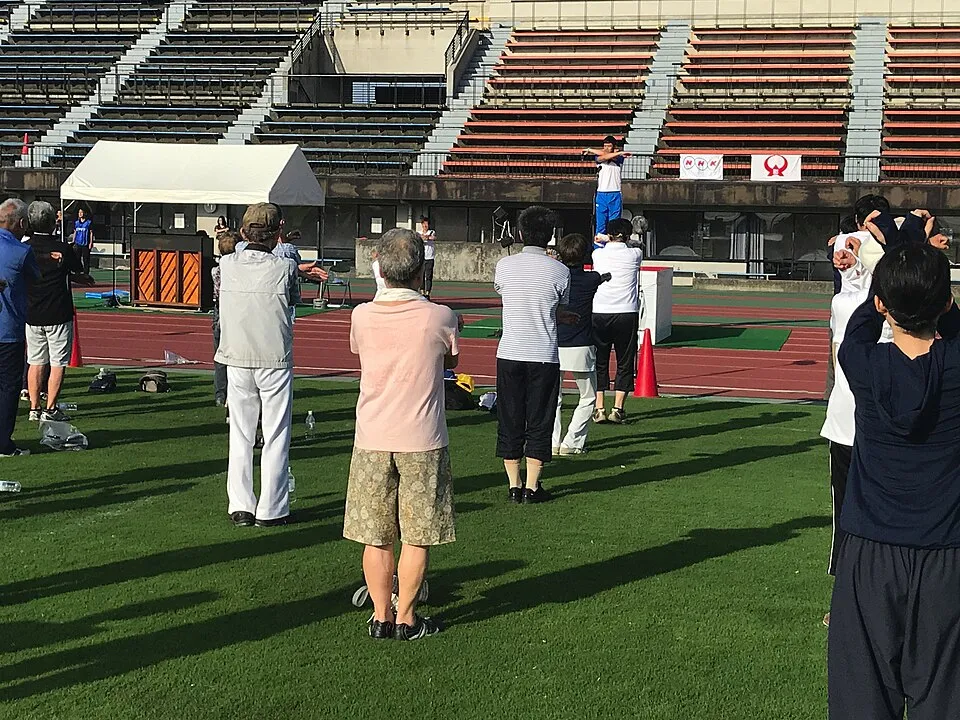
Japan’s radio exercise routine takes only three minutes. Is a three-minute routine useful, or too short to make a difference?
PLAN
Design a realistic weekly exercise plan for someone with a full-time job and family duties. What makes a plan survive a busy week?
ADAPT
How do people in your country stay active in very hot, cold, or rainy seasons? What indoor options exist?
PROBLEM-SOLVE
Many people buy a gym membership in January and quit by March. Why does this happen, and what would actually help?
PREFERENCE
Would people in your country feel comfortable exercising together in public spaces, like group routines in a park? Would you?
ADVISE
A friend says they have no time and no energy to exercise. What is the smallest first step you would suggest?
Part 2
Exercise, Aging, and the City
Focus: analyzing, reflecting, improving, discussing, connecting ideas, and creating solutions
In one minute, think of two exercises you can do at home, two sports facilities in your city, two words describing how exercise feels, and one excuse people use to skip exercise.
ANALYZE
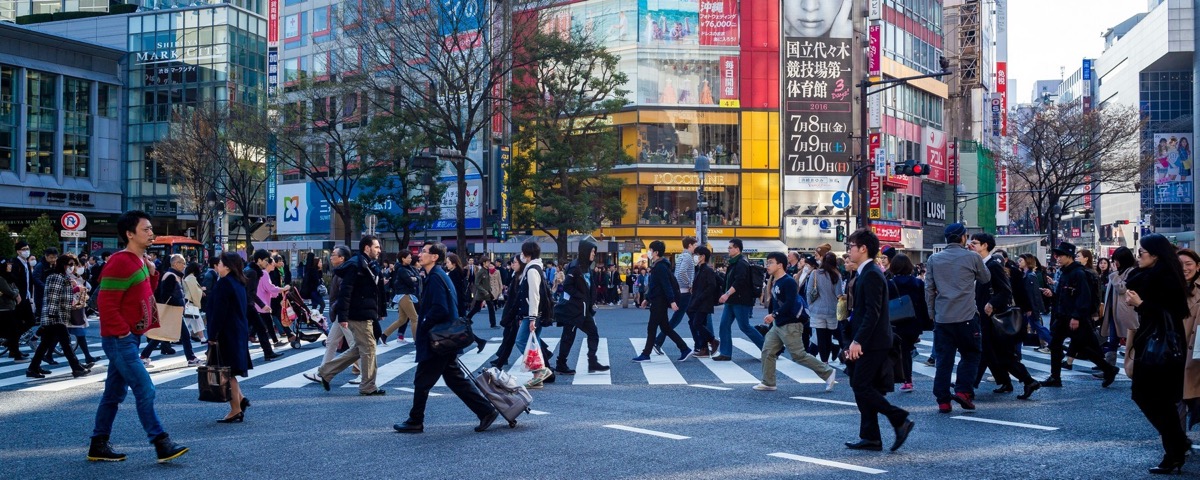
Does the design of your city encourage people to walk, or does it make driving necessary? Give two concrete examples.
IMPROVE
What changes would make walking safer and more comfortable for older adults in your community?
DISCUSS
Should governments treat walkable neighbourhoods as a public-health policy? Who should pay for the changes?
CULTURE
Does your country have a traditional or nationally recognized exercise routine? How do people feel about it?
REFLECT
What habits help older adults stay active in your community? What do the most active older people you know have in common?
BALANCE
Fitness apps and watches count every step and calorie. When does tracking help, and when does it become pressure?
DEFINE
What does it mean to be "fit"? Is it about appearance, performance, health, or something else?
EVALUATE
The social side of exercise (classes, clubs, walking groups) keeps many people going. How important is it in your own life?
CONNECT
How does regular movement affect your mood, sleep, or work? Describe a connection you have noticed yourself.
CREATE
Create a campaign to get inactive adults in your city moving. What is the message, and where would people see it?
Articles on this topic
Full reading + discussion articles that pair with these questions.