Across the Baltic Overnight: Weighing the Helsinki–Stockholm Ferry
Key Vocabulary
the combination of benefits someone receives in relation to what they pay
Sharing a cabin with three friends changes the ferry's value proposition.
a large group or chain of islands
The morning journey through the Stockholm archipelago is highly scenic.
a system in which prices change according to demand, timing or availability
Dynamic pricing means the same cabin can cost different amounts on different dates.
transport used to continue a journey after reaching a station, port or airport
Passengers should include onward transportation when comparing ferry prices.
using as little time as possible to achieve a result
Flying is more time-efficient if the traveler needs to reach Stockholm quickly.
Article
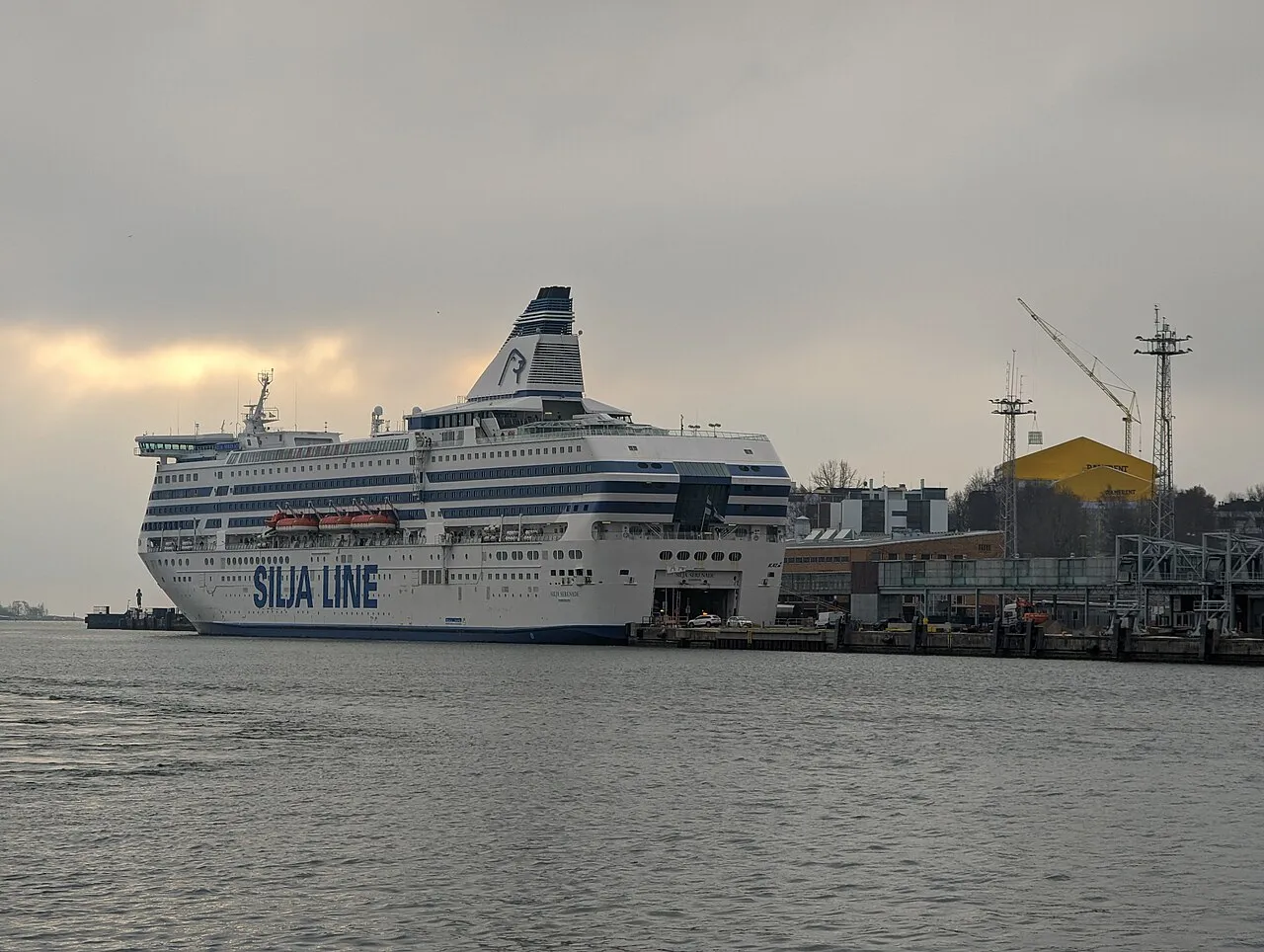
The Helsinki–Stockholm overnight ferry asks travelers to value the journey as well as the destination. A flight can connect the capitals much faster, but the ferry turns an evening and hotel night into part of the trip itself. Depart Helsinki, sleep while crossing the Baltic, and arrive roughly 17 hours later after a morning passage through the Stockholm archipelago. [1]
The route is served mainly by Tallink Silja and Viking Line. Tallink operates Silja Serenade and Silja Symphony, while Viking Line's Gabriella links Helsinki, Mariehamn and Stockholm. [1][3] These are cruise ferries rather than basic transport vessels, with cabins, restaurants, bars, shops and entertainment spread across several decks.
The scenery gives the route much of its character. Helsinki's islands gradually give way to the open Baltic, which passengers mostly cross overnight. By morning, the view changes as the ship enters Stockholm's archipelago. Rocky islands, wooded shores, summer houses and narrow channels make the approach far more memorable than a standard airport arrival.
Onboard, travelers can choose between a quiet night and a more social experience. Tallink's ships are known for their indoor Promenade, while both operators offer restaurants, cafés, bars, shopping and wellness facilities. [1] Cabin choices range from basic windowless rooms to cabins with sea views, so comfort can vary considerably with price.
Cost is more complicated than comparing one ferry fare with one airline ticket. Prices change according to date, demand, cabin class and the number of people sharing. Viking Line currently advertises some one-way packages from €53.50 per cabin for one to four adults. [2] Meals, spa access and upgraded cabins increase the total, but the cabin also replaces a hotel room for the night.
Arrival logistics are another practical difference. Tallink docks at Värtahamnen, with a direct bus to Stockholm Cityterminalen that currently takes about 25 minutes and costs €9 one way for an adult. [4] Viking Line arrives at Stadsgården, closer to central Stockholm. Travelers should therefore compare the full door-to-door journey rather than only the headline ticket price.
The main drawback is time. Seventeen hours is a long crossing for anyone with a tight itinerary, and passengers who are sensitive to motion may notice the ship more on the open Baltic. Weather can also affect how much time you want to spend outside on deck.
For a traveler with an unhurried schedule, however, the ferry offers something aviation cannot: a gradual transition between two Nordic capitals. Dinner at sea, a private cabin and a sunrise approach through the archipelago can turn a transfer into one of the memorable parts of the trip.
Discussion Questions
- How should travelers value time when comparing a fast journey with a slower but more enjoyable one?
- At what point does transportation become part of the destination experience itself?
- How should the cost of an overnight ferry be compared fairly with airfare plus a hotel room?
- Which factors would make you pay more for one ferry operator than another?
- Do modern travelers sometimes focus too strongly on reaching destinations quickly and miss interesting journeys along the way?
References
Finished reading? Mark this lesson as done.