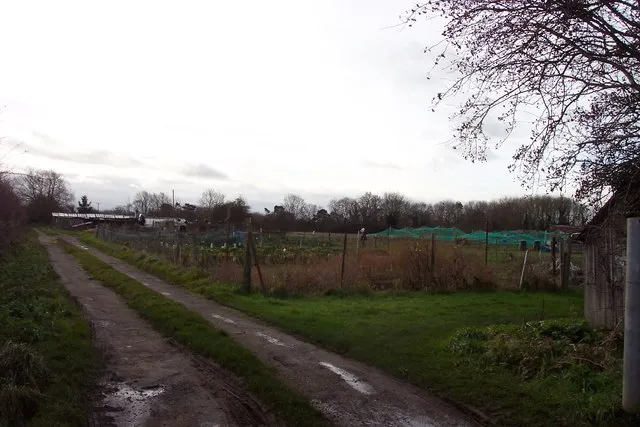
Britain's Allotments: A Small Plot with a Big Social Life
Key Vocabulary
a small piece of land rented for growing plants or food
She grows vegetables on an allotment near her home.
a small piece of land used for a particular purpose
Each gardener is responsible for one plot.
a list of people waiting for something to become available
He joined the waiting list for a local allotment.
fruit and vegetables that are grown for food
Neighbors sometimes share extra produce.
changing or happening according to the season
Gardening is a strongly seasonal activity.
Article
Behind rows of houses or beside railway lines in Britain, you may find small pieces of land divided into individual gardens. These are allotments: plots that people rent so they can grow fruit, vegetables, flowers and other plants. [1]
Allotments are especially useful for people who enjoy gardening but do not have much outdoor space at home. In England and Wales, people can contact their local council to ask for a plot. In many places, demand is high enough that applicants are placed on a waiting list. [1]
The tradition is also social. The National Allotment Society describes allotments as having health, environmental and community value. Gardeners work on their own plots, but they often exchange advice, spare plants and produce with their neighbors. [2]
A traditional full allotment is often about 250 square metres, roughly the size of a tennis court, although modern plots vary. [3] That is enough space to make gardening a serious hobby rather than simply growing a few herbs in a window.
Growing food can be satisfying, but an allotment is not free food. Rent may be low, yet seeds, tools, water and time all have a cost. Gardeners also have to follow local rules and keep their plot in reasonable condition.
The attraction may be less about saving money than about having a place to work with your hands. An allotment gives city and suburban residents a small piece of ground that changes with the seasons.
In a society where many activities happen on screens, allotments remain surprisingly physical and local. You cannot download a tomato or hurry a potato. The garden asks people to return, wait, notice the weather and occasionally talk to the person growing beans next door.
Discussion Questions
- What would you grow if you had a small allotment near your home?
- Why do some people enjoy growing food even when supermarkets are convenient?
- What social benefits can community gardening create?
- How should cities use unused land when many residents do not have gardens?
- What hobbies in your country help people slow down and pay attention to the seasons?
References
Finished reading? Mark this lesson as done.