From Plastic Card to Phone: How Suica Became Everyday Infrastructure
Key Vocabulary
basic systems and services that allow society or an activity to function
Digital payment systems have become part of everyday transport infrastructure.
able to work with other systems or networks
Japan's major IC cards are interoperable across many transport networks.
a small difficulty or inconvenience that slows a process
Mobile payment removes some of the friction from buying a train ticket.
money kept electronically on a card or account for later use
The fare is deducted from the card's stored value.
the ability of devices or systems to work together correctly
Travelers should check phone compatibility before relying on a digital transit card.
Article
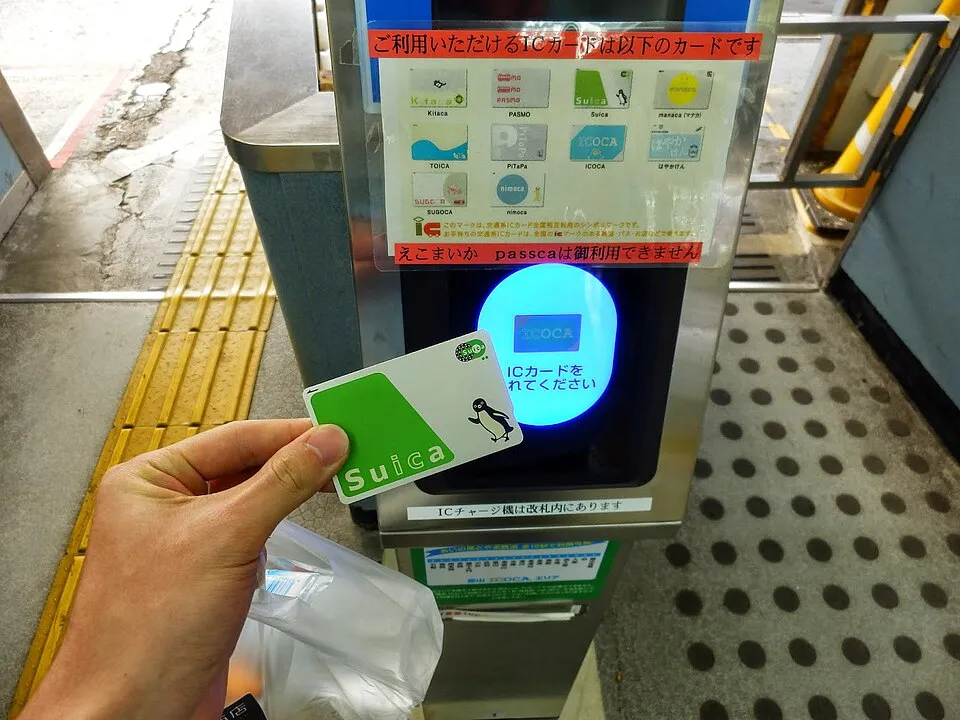
In Japan, a routine train journey often involves almost no visible transaction. A passenger taps a card or phone at the ticket gate, the correct fare is deducted automatically, and the same stored value can later pay for a drink or a convenience-store purchase. Suica, issued by JR East, is a good example of how payment technology can become almost invisible infrastructure. [1]
At its core, Suica is prepaid electronic money. The physical card can be used on trains, subways, buses and monorails in participating areas, as well as at many shops and restaurants. Instead of calculating a fare or buying a paper ticket before each local journey, passengers tap in and out while the system calculates the charge. [1]
The technology has progressively moved from plastic into smartphones and watches. Apple Wallet supports Japanese transit cards including Suica, allowing compatible devices to function at ticket gates and participating shops. [3] For visitors, JR East's Welcome Suica Mobile app can issue and top up a digital Suica and keeps it valid for 180 days. [2]
This shift matters because it reduces several small pieces of friction at once: waiting at ticket machines, carrying coins, understanding individual fare tables and making separate low-value payments. A transit card therefore becomes more than a transport product; it connects mobility with everyday retail.
Convenience does not mean complete simplicity. Japan's IC-card systems are interoperable across many local networks, but there are limits. JR East notes that a Suica cannot simply be used to travel between every separate service area, and some express or reserved-seat journeys still require additional tickets. [1]
Moving the card onto a phone also transfers dependence to the device, its software and the user's ability to keep it functioning. Digital convenience can remove physical objects from a pocket while creating new assumptions about batteries, accounts and technical compatibility.
Suica's larger lesson is that successful digital technology is not always the most dramatic technology. Sometimes its influence comes from making millions of tiny actions less noticeable. A tap that saves only a minute can feel insignificant; repeated across commuting, shopping and travel, it changes the rhythm of everyday life.
Discussion Questions
- Which everyday technology in your country has become so convenient that you barely notice using it?
- What are the advantages and disadvantages of combining transport and retail payments in one system?
- How much should public transport depend on passengers owning functioning smartphones?
- Which small inconveniences in your daily routine would you most like technology to remove?
- When does a digital service become important enough to be considered public infrastructure?
References
Finished reading? Mark this lesson as done.