Heat, Steam and Birch: Latvia's Pirts Tradition
Key Vocabulary
a building or room designed for bathing or heat rituals
The family has a wooden bathhouse beside the house.
the amount of water vapor in the air
Steam increases the humidity inside the pirts.
a bundle of leafy branches used on the body during a sauna ritual
Birch is often used to make a sauna whisk.
a person trained or experienced in a particular activity
A trained practitioner can guide the pirts ritual.
a set of actions performed in a traditional or meaningful order
The ritual includes heat, water and rest.
Article
Finland is famous for sauna, but Latvia has its own bathhouse tradition: the pirts. For centuries, Latvians have used these warm spaces for washing, relaxation and rituals connected with family and community life. [1][2]
A common Latvian pirts uses a wet heat. Water is poured over hot stones to create steam and raise the humidity. The experience often alternates between warming the body and cooling down afterward. [1]
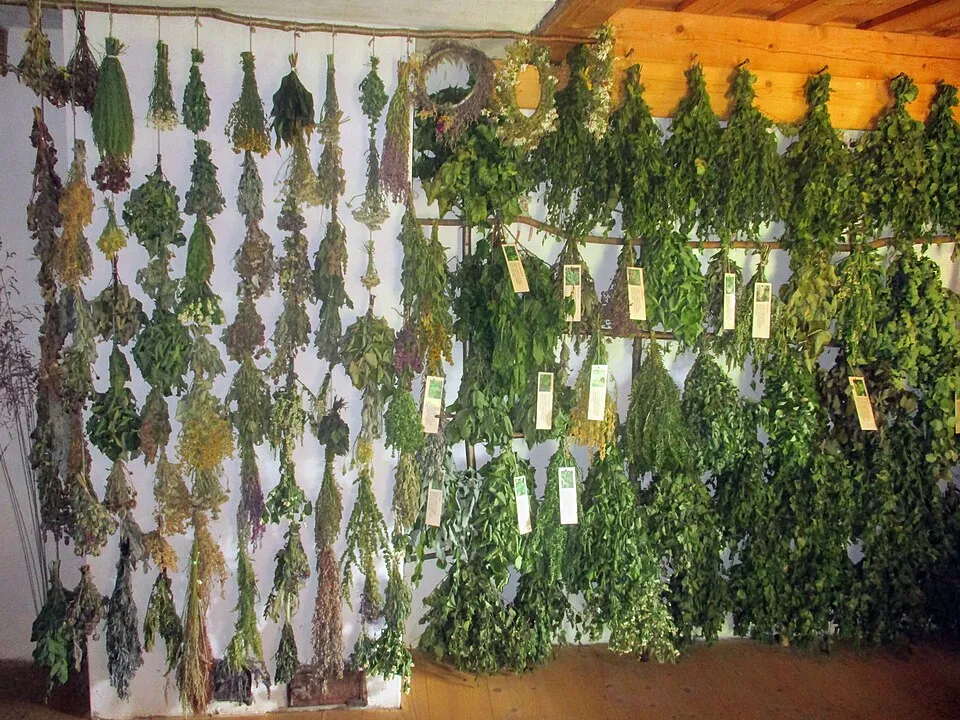
One of the most recognizable tools is a bundle of leafy branches, sometimes called a sauna whisk. Birch and oak are common, but Latvian traditions also use other local trees and plants. The bundle is used during the ritual rather than simply displayed as decoration. [1][3]
A trained practitioner, called a pirtnieks, may guide a longer pirts experience. Latvia's official country portal describes rituals that can last several hours and combine heat, steam, water, touch and plants. [2]
Historically, the pirts was considered an especially clean and meaningful part of the home. Latvian sources describe connections with childbirth, washing the dead before burial and folk beliefs about important moments in the cycle of life. [2]
Modern pirts experiences vary. Some families have private bathhouses, while guesthouses and specialist centers offer rituals to visitors. The setting may feel rustic, luxurious or somewhere between the two.
For a traveler, pirts offers more than a hot room after a cold day. It is a practical example of how climate, local plants and old family customs can combine into a tradition that still feels alive.
Discussion Questions
- Why do heat and bathing traditions become important parts of some cultures?
- How is a traditional pirts different from simply visiting a modern spa?
- What local plants or natural materials are used in traditions in your country?
- Why might people value a guided ritual when they could use a sauna by themselves?
- Which traditional practices in your culture have successfully adapted to modern life?
References
Finished reading? Mark this lesson as done.