Ireland's Gaelic Games: Elite Sport Without Player Salaries
Key Vocabulary
taking part in an activity without being paid as a professional
GAA players compete as amateur athletes.
competition between teams representing different Irish counties
The best players may compete at inter-county level.
a person who gives time or work without regular payment
Volunteers play a large role in local GAA clubs.
the time, effort and responsibility given to an activity
Elite sport requires a major commitment from players.
to protect something from damage or loss
The GAA is considering ways to safeguard its amateur tradition.
Article
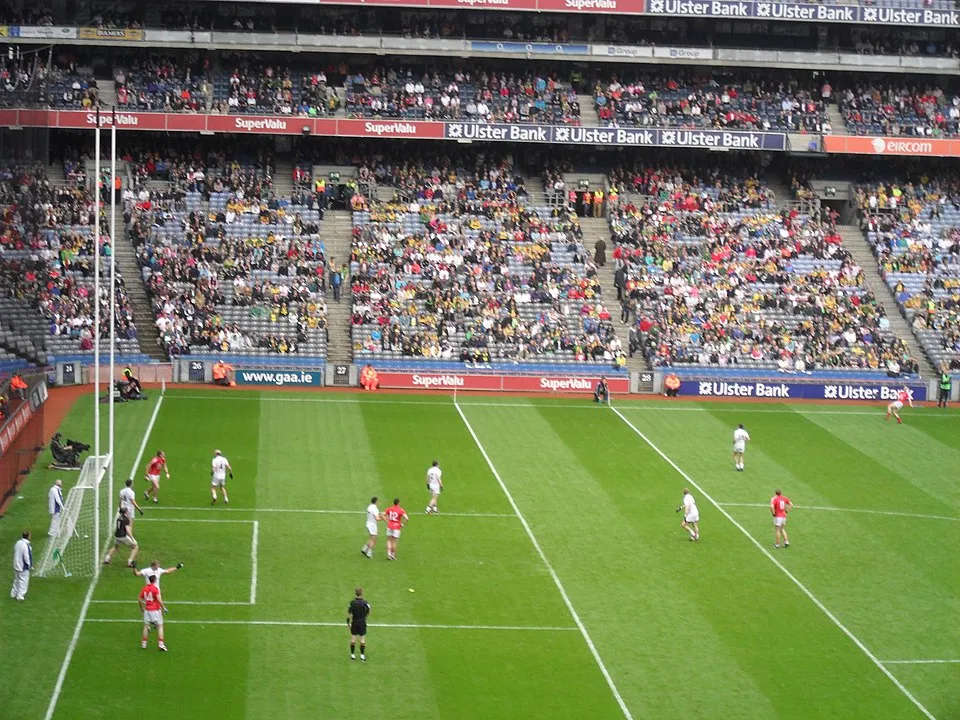
A packed Croke Park can look like the home of a completely professional sports league. Tens of thousands of supporters watch county teams in Gaelic football and hurling, television covers major matches, and top players train at an extremely high level.
There is one unusual difference: GAA players remain amateurs. The Gaelic Athletic Association says even players at the highest level are not paid for playing. The amateur and volunteer tradition has been part of the organization since its foundation. [1]
This means elite players usually also have careers, studies or other responsibilities away from sport. Training and matches must fit around ordinary life, even though the physical and tactical demands can resemble professional competition.
The club system helps explain why the model has survived. GAA clubs are closely connected with towns and villages throughout Ireland. Players often represent a local club before representing their county at the highest domestic level. [2]
However, maintaining an amateur system has become increasingly complicated. Team preparation, coaching, travel and support have become more sophisticated and expensive, while players face significant demands on their time.
In 2026, GAA Congress approved the concept of a new certification system intended to help safeguard amateur status and create standards around inter-county competition. [3] The details include concerns about expenditure, training demands and team support.
Gaelic games therefore occupy an unusual position in modern sport. The stadiums can be enormous and the competition intensely serious, yet the player at the center of the spectacle may still return to a normal job when Monday morning arrives.
Discussion Questions
- Should athletes who attract very large crowds always receive salaries?
- What are the advantages of keeping a major sport amateur?
- How difficult would it be to combine elite training with a normal job?
- Why are local sports clubs important to communities?
- At what point does an amateur sport become too demanding for amateur players?
References
Finished reading? Mark this lesson as done.