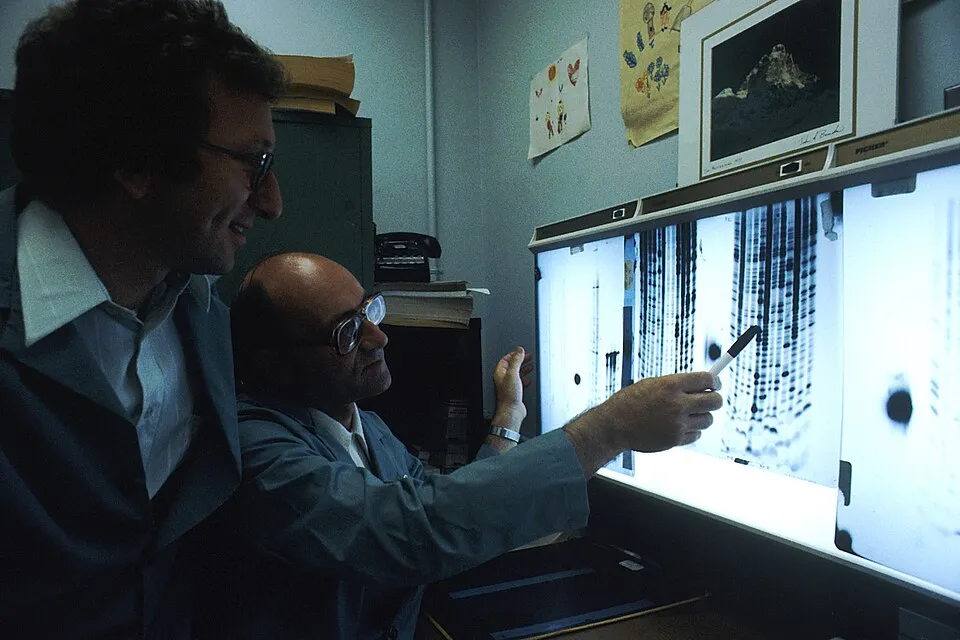
Latvia's Genome Reference: A Local Map for Precision Medicine
Key Vocabulary
a collection of genetic data used as a baseline for comparison
Researchers are creating a genome reference that better represents Latvia's population.
a difference in DNA between individuals or groups
A genetic variant may be common in one population and less common in another.
an organized collection of biological samples and related information for research
The Latvian biobank stores samples donated for scientific studies.
rules and processes controlling how data is collected, protected and used
Genomic research requires strong data governance because DNA information is sensitive.
health care that uses individual biological and other information to guide prevention or treatment
Population genomics may contribute to more accurate precision medicine.
Article
Genetic medicine depends on comparison. When scientists examine a person's DNA, they need reference data to judge which genetic variants are common and which may deserve closer attention. Latvia is building a population genome reference designed to make those comparisons more relevant to people from Latvia itself.
The Latvian Biomedical Research and Study Centre began its national genome-reference project to create a representative picture of genetic variation in the population. By the end of 2024, the project reported that sequencing had been completed for 3,520 samples. [1] The resource is intended to support research, disease prevention, diagnosis and more precise treatment.
The project builds on infrastructure that already existed. Latvia's Genome Database has collected biological samples and health-related data since 2006. According to the research centre, the biobank contains material from roughly 1.5% of the country's population. [2] That makes it possible to connect genomic information with broader biomedical research.
A population-specific reference matters because genetic variation is not distributed identically everywhere. A variant that appears unusual in one international database may be more common in a particular population. Better local reference data can therefore help researchers interpret results more accurately and design studies that reflect the people they hope to serve.
Latvia's work also connects with a larger European effort. The European Union's 1+ Million Genomes initiative is developing secure cross-border access to genomic and related clinical data for research and health care. [3] The Genome of Europe project, part of that wider effort, aims to establish a reference dataset of at least 100,000 genomes representing European populations. [4]
Large genomic collections create opportunities, but they also create responsibilities. DNA is deeply personal information, and linking it with health data makes questions about consent, security and appropriate access especially important. European projects therefore emphasize controlled access and data governance rather than treating genomes as ordinary open data.
A national genome reference is not a medical diagnosis for every citizen, nor does a genetic variant automatically determine a person's future health. Its value is statistical: it gives scientists a stronger baseline for interpreting variation and for asking better questions about disease, treatment and population history.
For a country with fewer than two million residents, Latvia's project shows how smaller populations can contribute meaningfully to precision medicine. The challenge is not simply to collect more DNA. It is to build trustworthy datasets that are scientifically useful, locally representative and governed carefully enough that people remain willing to take part.
Discussion Questions
- What benefits could a country gain from creating a genetic reference that represents its own population?
- What concerns would you have before donating DNA and health information to a national biobank?
- How should researchers balance the value of sharing genomic data with the need to protect privacy?
- Why might medical research become less accurate if some populations are poorly represented in genetic databases?
- What kinds of decisions about health should remain personal even when genetic technology becomes more powerful?
References
Finished reading? Mark this lesson as done.