Some Animals Can Break Down Natural Bioplastic
Key Vocabulary
a plastic-like material made from biological sources
Some bacteria naturally make a kind of bioplastic.
to keep something for future use
Bacteria store PHA as energy.
a substance in living things that helps chemical reactions
The worm has an enzyme that breaks down PHA.
a living thing that is too small to see without a microscope
Bacteria are microorganisms.
to separate something into smaller or simpler parts
Some animals can break down natural PHA.
Article
Some bacteria make a natural material called PHA. PHA is a kind of bioplastic. The bacteria keep it inside their cells for food and energy. [1][2]
A new study found that some animals can break down PHA. Scientists first studied a very small sea worm called *Olavius algarvensis*. The worm has bacteria living inside its body. [1][2]
The scientists found a special protein in the worm. This protein is called an enzyme. It helps break down PHA. [1]
The scientists then studied many other animals. They found similar enzymes in more than 66 kinds of animals. These animals came from nine large animal groups. [1]
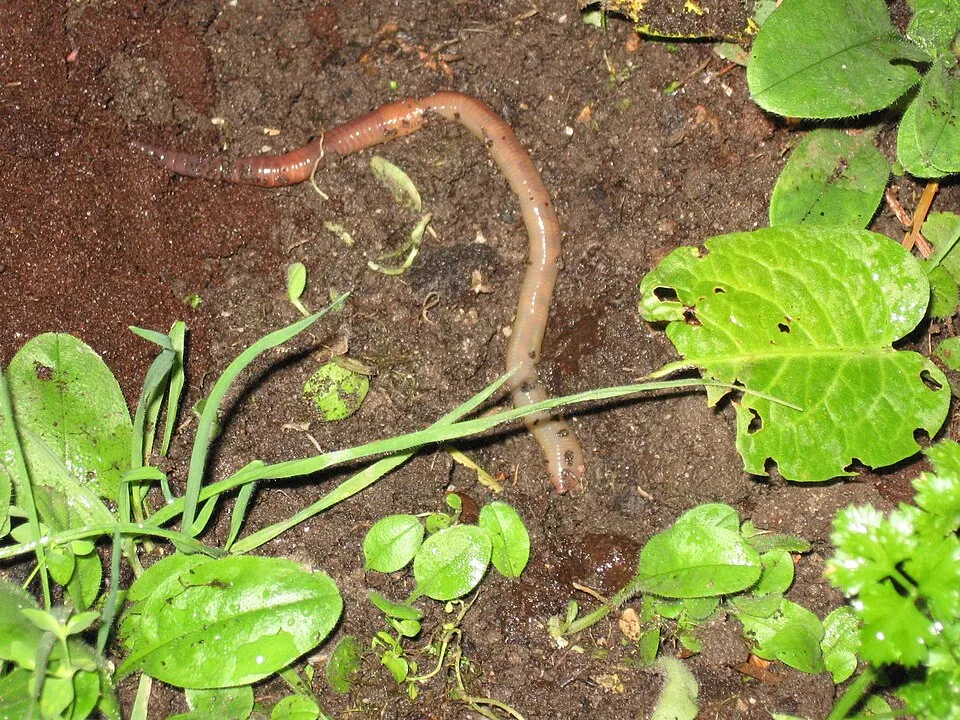
Some of the animals live in the sea. They include starfish and sponges. Scientists also found similar enzymes in earthworms on land. [1][2]
In the past, scientists thought bacteria and fungi did most of this work. The new study shows that some animals can also help break down natural PHA. [1]
People also use PHA to make some products that can break down in nature. But this does not mean animals can eat normal plastic waste. The study is about natural PHA made by very small living things. [1][2]
The study shows that animals and bacteria can have surprising relationships. A material that people call bioplastic may have been part of nature for a very long time.
Discussion Questions
- What natural materials do people use in your country?
- What animals surprise you because of what they can eat?
- Why is it important to learn how materials break down in nature?
- What do you think makes a plastic alternative useful?
- What would you like scientists to discover about worms, insects or other small animals?
References
Finished reading? Mark this lesson as done.