Conversation Topics / Money & Personal Finance
Money & Personal Finance Conversation Questions for Adult ESL Classes
Twenty ESL conversation questions about money for adult learners (A2–C1). Part 1 keeps it personal — spending, saving, cash versus apps, and everyday choices. Part 2 opens up trust, credit, community savings, and fairness. Each part starts with a vocabulary warm-up and fills about thirty minutes of speaking practice.
Reviewed by Brando Oxley · 5 Aug 2026
Part 1
Spending, Saving, and Paying
Focus: sharing experience, describing, comparing, prioritizing, and giving advice
Think of one way to pay for something, one verb connected to money, and one place where people keep or manage money.
Describe each word without saying it directly. Your teacher or partner must guess the word.
EXPERIENCE
What was the first thing you remember saving up to buy? Was it worth the wait?
DESCRIBE
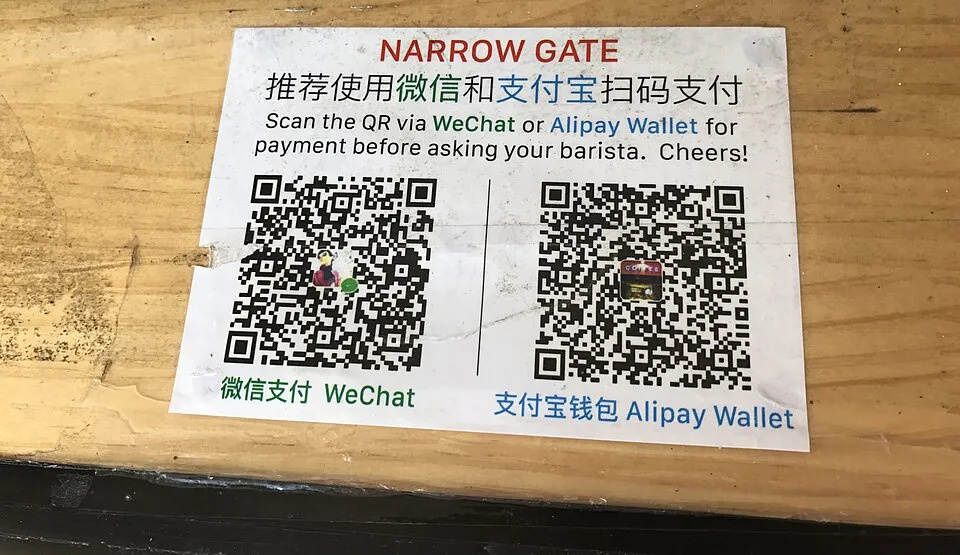
What payment methods are most common in your country? Describe how people pay in a market, a taxi, and a restaurant.
COMPARE
Compare paying with cash and paying with a phone or card. How does each change the way people spend?
EVALUATE
Would you feel comfortable living without cash completely? What would you miss, if anything?
ANALYZE
What problems might older adults face with digital payments? Should shops always accept cash as well?
PRIORITIZE
If your income doubled next month, what would you do first: spend, save, invest, or share? Explain your order.
PREFERENCE
Some people track every expense; others never check. Which are you, and how is it working out?
PROBLEM-SOLVE
A friend earns a normal salary but is always broke before payday. What questions would you ask, and what would you suggest?
ADAPT
How do people in your country handle rising prices? What gets cut first when budgets tighten?
ADVISE
What is the best piece of money advice you have ever received — or wish someone had given you at twenty?
Part 2
Trust, Credit, and Fairness
Focus: analyzing, reflecting, discussing, defining, connecting ideas, and creating solutions
In one minute, think of two things people save for, two ways to borrow money, two words describing how money makes people feel, and one money problem families face.
ANALYZE
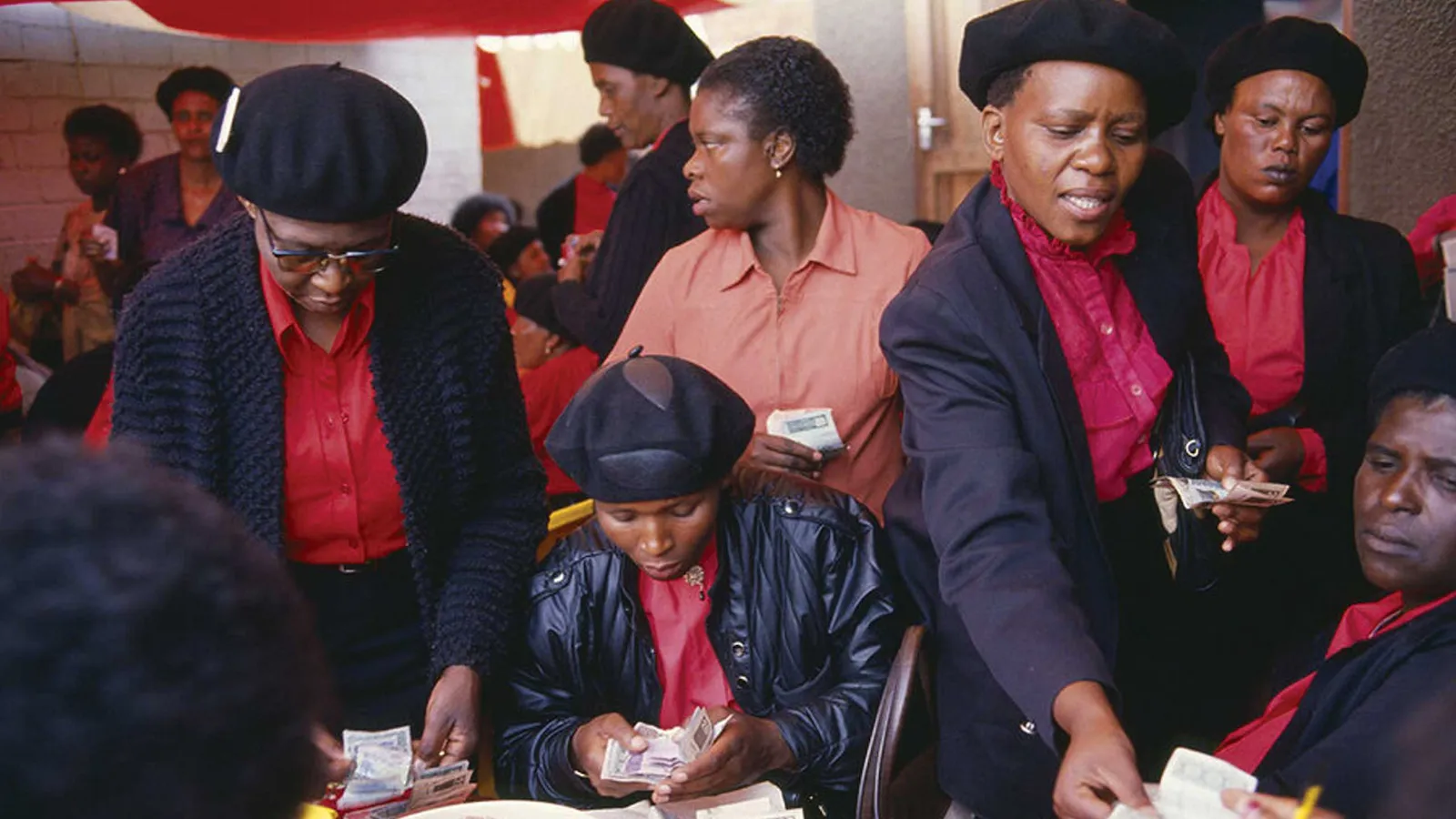
South Africa’s stokvels are savings groups built on trust between members. Does your country have community savings groups like this?
REFLECT
Would you trust friends or relatives with a shared financial fund? What rules would the group need before you joined?
DISCUSS
Can social pressure encourage saving, or does it create unfair stress? Think of examples from family or community life.
DEFINE
How does your country record or evaluate a person’s borrowing history? What should count as being "good with money"?
BALANCE
In the United States, credit history can affect renting a home and even some jobs. How relevant should financial history be outside banking?
EVALUATE
How long should late payments or financial mistakes remain on a person’s record? When does accountability become punishment?
CULTURE
Is talking about salaries and prices open or taboo in your culture? What are the unwritten rules?
IMPROVE
Should schools teach personal finance? Design the three most important lessons for teenagers.
CONNECT
In what ways can data-based decision-making about money make society fairer — or less forgiving? Give one example of each.
CREATE
Create a savings group for your class or workplace. What are its rules, its goal, and what happens if someone cannot pay?
Lessons on this topic
Full reading + discussion lesson plans that pair with these questions.
How QR Codes Changed Everyday Payments in China
Technology, Media & Video Games

Why Credit History Can Affect More Than Borrowing in America
Work, Education & Business
How Stokvels Turn Trust into a Financial System
Work, Education & Business