Arnis: From Filipino Martial Art to School Sport
Created by Brando Oxley · 25 Aug 2026
Key Vocabulary
a martial art officially recognized as representing a country
The law recognizes arnis as the Philippines' national martial art.
allowing controlled physical strikes against an opponent under competition rules
Full-contact events require strong safety rules.
equipment worn to reduce the risk of injury
Athletes use protective equipment during competition.
a planned arnis form or sequence of movements
The athlete performed an anyo for the judges.
how quickly someone responds after seeing or sensing something
Arnis practice can challenge reaction time.
Article
Arnis can be seen in several places in the Philippines: a martial-arts school, a PE class or a national sports competition. Republic Act No. 9850, passed in 2009, formally declared arnis the national martial art and sport of the Philippines. [1]
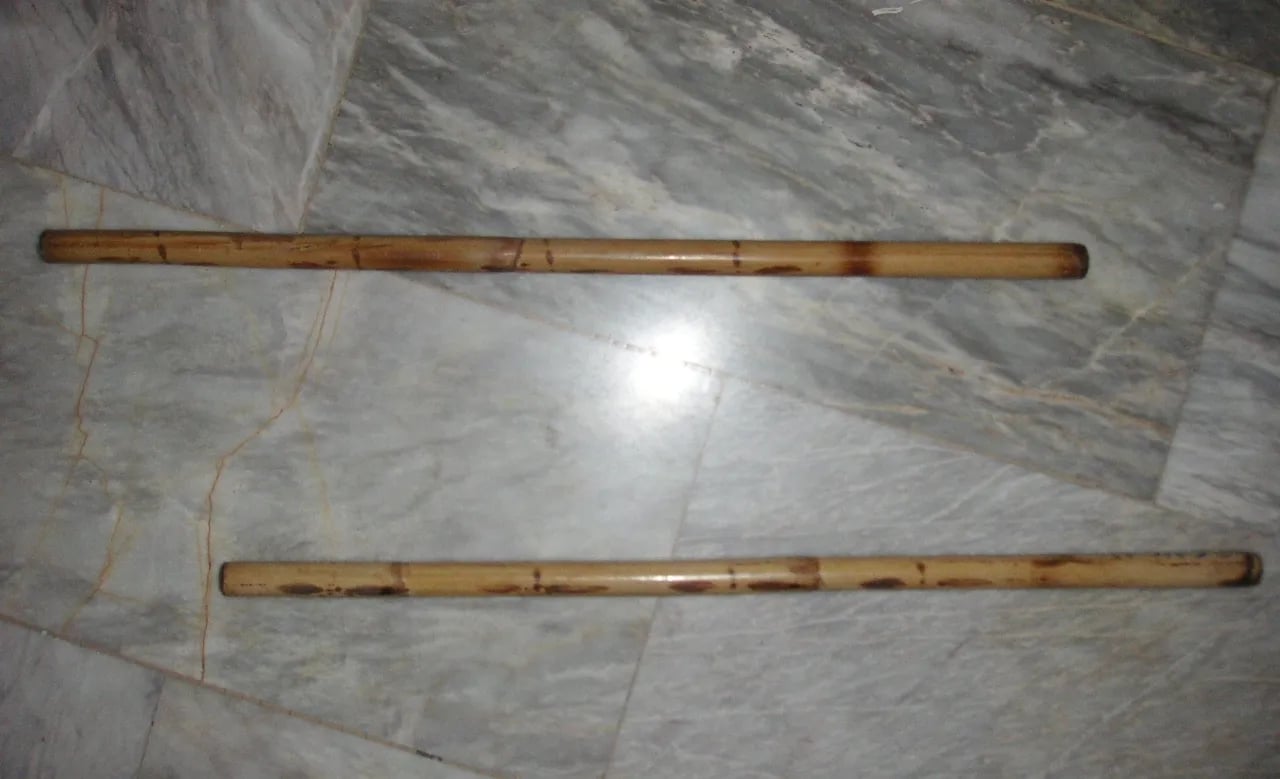
The law uses arnis as a broad name for an indigenous Filipino martial art also known in different traditions as eskrima, kali and by other local names. Training commonly includes striking and defensive movement with sticks, especially rattan sticks, although the wider martial art can include other skills. [1]
When arnis becomes a competition sport, techniques need clear rules. Philippine National Games guidelines include full-contact events using padded or live sticks, protective equipment and defined scoring. A match can consist of three one-minute rounds separated by rest periods. [4]
Competition also includes anyo, or forms. Instead of fighting an opponent directly, athletes perform planned sequences that can demonstrate control, speed, balance and technical skill. The two event types show different sides of the same martial tradition. [4]
Arnis has also entered formal education. Department of Education materials for Grade 7 identify it as a combative sport, while senior-high-school PE materials connect arnis training with power, reaction time, agility and speed. [2][3]
Teaching arnis in school changes the audience. Students do not have to become competitive fighters to experience basic movement, fitness and the cultural background of the sport. Safety and appropriate instruction become especially important in this setting.
That combination of heritage, education and organized competition helps explain arnis's unusual position. It is practiced as a living martial art, but national recognition and standardized competition rules also give it a place in modern Philippine sport.
Discussion Questions
- How should schools teach a national martial art safely?
- What is the value of full-contact competition compared with forms such as anyo?
- Which protective equipment is most important in a stick-based sport?
- Why does reaction time matter in arnis and in other sports?
- How can modern competition rules protect a traditional martial art without changing it too much?
References
- Supreme Court E-Library, "Republic Act No. 9850." Source
- Department of Education Learning Portal, "Self-Learning Module – Quarter 2 – Physical Education: Grade 7, Modules 1–3." Source
- Department of Education Learning Portal, "DLP in Health Optimizing Physical Education (H.O.P.E.) 2: Arnis." Source
- Philippine Sports Commission, "Arnis – Philippine National Games Technical Guidelines." Source
Finished reading? Mark this lesson as done.