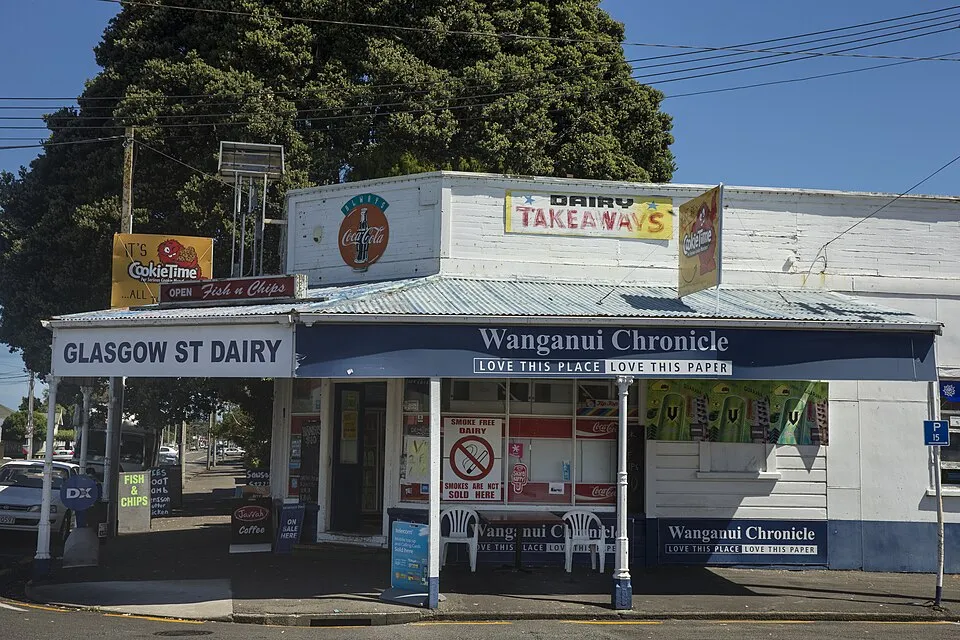
The Corner Dairy: A New Zealand Neighbourhood Shop
Key Vocabulary
a small local grocery or convenience shop in New Zealand
He stopped at the corner dairy on his way home.
the different types of shops and shopping businesses in a place
Supermarkets changed New Zealand's retail landscape.
the hours when a shop is allowed or chooses to open
Long trading hours helped dairies attract customers.
a small shop selling everyday items for quick purchases
The convenience store sells drinks, snacks and milk.
the movement of people from one country or area to another
Migration has influenced many parts of New Zealand business life.
Article
In New Zealand, asking where the nearest dairy is does not usually mean searching for cows. A corner dairy is a small neighbourhood shop selling everyday food and household items. The name is one of those local expressions that can confuse visitors even though it sounds completely ordinary to New Zealanders. [1]
The corner dairy became an important part of the country's retail landscape during the twentieth century. Te Ara notes that dairies could operate for longer trading hours than traditional grocers, which made them especially useful when other shops were closed. From the 1940s to the 1980s, some suburban dairies became familiar weekend meeting points. [1]
Their stock was practical rather than enormous. A convenience store of this kind might sell milk, bread, sweets, ice cream, drinks, newspapers and a limited range of groceries. Customers could quickly buy one or two things without making a larger shopping trip.
The rise of the supermarket changed that role. New Zealand's first modern supermarket opened in Ōtāhuhu, Auckland, in 1958. Supermarkets gradually encouraged families to buy more goods in a single visit, and later extensions to supermarket trading hours increased competition for smaller shops. [2]
The dairy also became connected with migration. From the 1970s, Indian-owned dairies became common in towns and cities. Te Ara explains that many Indian shopkeepers entered this part of retail after supermarkets had reduced opportunities in some older specialist food businesses. Long trading hours helped dairies continue to attract customers. [3]
Running a dairy can therefore mean more than selling snacks. The shop may sit between family business, neighbourhood service and changing patterns of retail. Its small size makes it easy to overlook, yet the dairy has appeared in New Zealand social life, language and even theatre.
The word survives because the shop itself remains recognizable. A supermarket may offer thousands more products, but “going to the dairy” still describes a quick, local errand in a distinctly New Zealand way.
Discussion Questions
- What role do small neighbourhood shops play where you live?
- Why might long trading hours help a small business compete with larger stores?
- How have supermarkets changed shopping habits in your country?
- What connections exist between migration and small business where you live?
- Which local shopping words or traditions are especially connected with your country?
References
Finished reading? Mark this lesson as done.