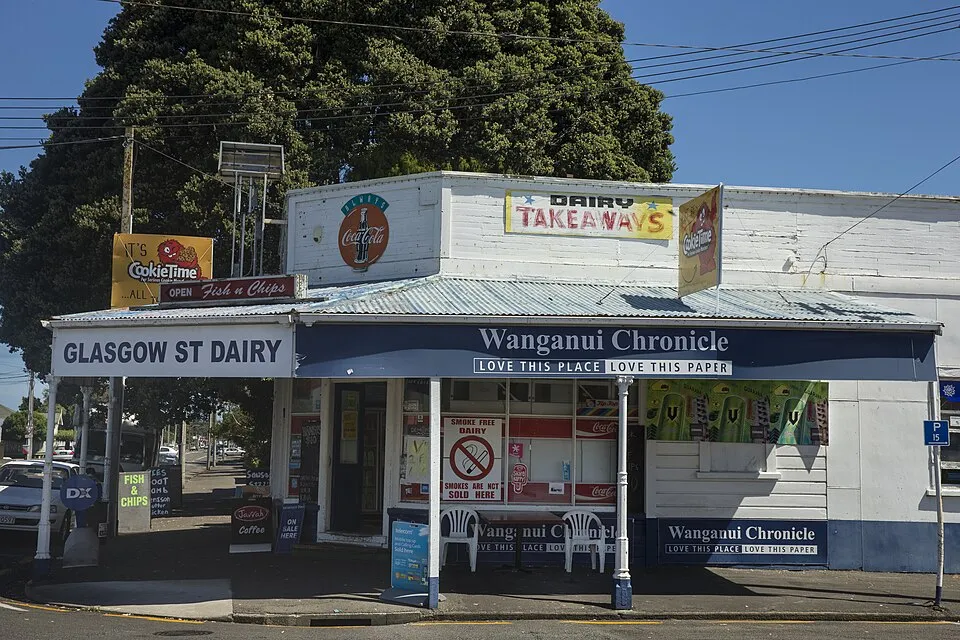
The New Zealand Dairy: A Shop on the Corner
Key Vocabulary
a small local shop in New Zealand that sells food and everyday items
I went to the dairy to buy some milk.
a small shop near homes, often on a street corner
There is a corner shop near our house.
food and other things people regularly buy for the home
The shop sells basic grocery items.
a large shop that sells many kinds of food and household products
We do our big weekly shopping at the supermarket.
the area around the place where people live
The dairy is an important shop in the neighbourhood.
Article
In New Zealand, the word dairy can mean something surprising. It often means a small grocery shop, not a farm. Many dairies stand on street corners, so people also call them a corner shop. [1]
For many years, the local dairy was an important part of neighbourhood life. These small shops could often stay open longer than some other food shops. This made them useful when people needed milk, bread or something small after other stores had closed. [1]
A dairy usually sells basic grocery items. You may also find ice cream, drinks, sweets, newspapers and hot food. The exact products are different from shop to shop.
Shopping changed when the supermarket became more common. New Zealand's first modern supermarket opened in Ōtāhuhu, Auckland, in 1958. Larger stores gave families a new way to buy many things at one time. [2]
From the 1970s, many Indian families also became connected with the dairy business. Te Ara says Indian-run corner dairies became a common sight in towns and cities, partly because they could make money by staying open for long hours. [3]
Today, supermarkets and larger convenience stores compete with small dairies. However, the word dairy is still a familiar part of New Zealand English, and many neighbourhoods still have one nearby.
For a visitor, the name can be confusing at first. After a few days in New Zealand, though, hearing “I'll stop at the dairy” starts to sound completely normal.
Discussion Questions
- What small shops are common near homes in your country?
- What would you usually buy from a local dairy or corner shop?
- Why might someone choose a small shop instead of a supermarket?
- What local shopping words might confuse a visitor to your country?
- How have small shops changed where you live?
References
Finished reading? Mark this lesson as done.