Toronto's Green Streets Put Rainwater to Work
Key Vocabulary
a street designed with plants or other systems that help manage water and the environment
A green street can direct rain toward planted areas.
rain or melted snow that flows across streets and other surfaces
The project reduces stormwater entering the sewer.
a shallow planted area designed to collect and filter water
A bioswale can sit between a road and a path.
water that flows over the ground or pavement after rain
Street runoff can carry oil and dirt.
to remove unwanted material as water or air passes through something
Soil can filter some pollutants from rainwater.
Article
A city street normally sends rain toward gutters and underground pipes as quickly as possible. Toronto's Green Streets program uses a different idea: some rain can be captured close to where it falls and directed into soil, trees and planted areas instead. [1]
The city calls this approach green street design. It uses green infrastructure such as bioretention areas, tree trenches, permeable surfaces and bioswales. These features can reduce the amount of stormwater entering the sewer system. [1][2]
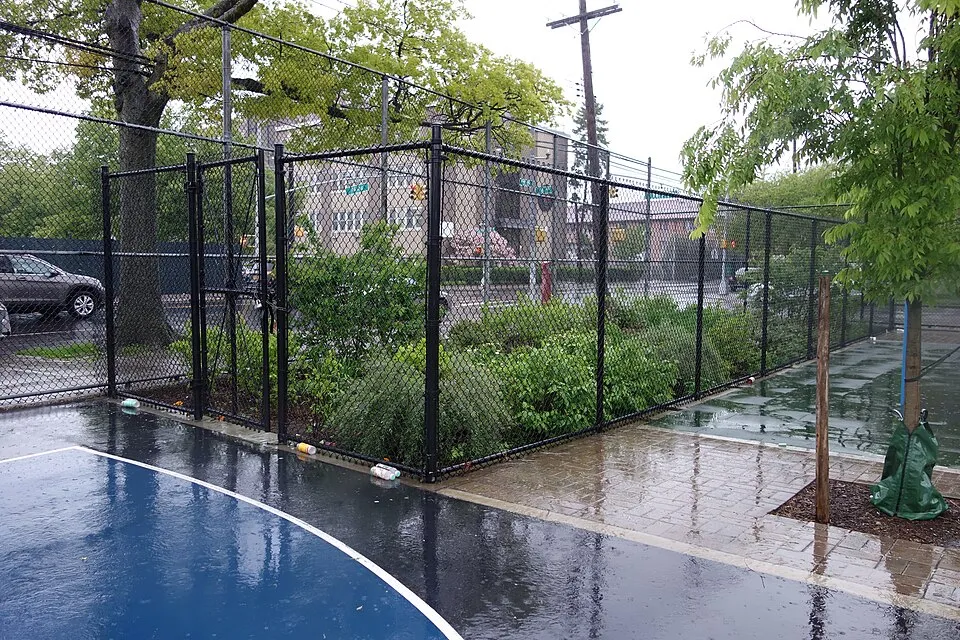
A bioswale is a shallow planted area that collects runoff from nearby pavement. Soil and other filtering layers can slow and filter the water before some of it continues into drains or local waterways. [2][3]
Toronto says this can improve water quality because street runoff may carry dirt, oil and other pollutants. Keeping part of that water in planted systems can also support trees, reduce erosion and make the city more resilient during extreme storms. [1]
Several projects show how the idea changes ordinary streets. At Stanley Greene Boulevard, a bioswale separates a multi-use trail from the roadway while also capturing stormwater. Other projects use tree trenches or porous pavement. [2]
Green infrastructure still needs maintenance. Plants require care, drainage systems need checking, and designers must consider soil conditions, underground utilities, road safety and available space. [2]
Toronto continues to add these systems, including planned bioswales on selected Scarborough streets. The larger idea is simple: instead of treating rain as something to remove immediately, a street can slow it down and put some of it to work. [3]
Discussion Questions
- What problems does stormwater create in your city?
- Where would a bioswale work well in your neighborhood?
- How should cities balance parking space with trees and green street features?
- What maintenance problems could appear after a green infrastructure project is built?
- Would seeing more planted streets change how you feel about walking in a city? Explain.
References
Finished reading? Mark this lesson as done.