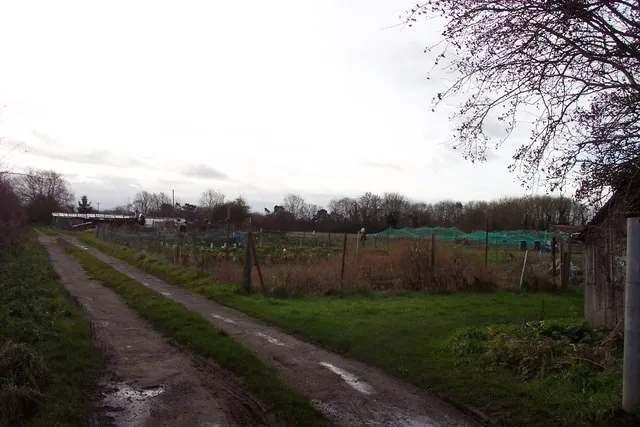
Allotment Gardens: Growing Food in Britain
Key Vocabulary
a small area of land rented for gardening
My uncle grows potatoes on his allotment.
to plant and care for plants
They grow tomatoes in summer.
a plant or part of a plant eaten as food
Carrots are a popular vegetable to grow.
to pay to use something for a period of time
She rents a small garden plot.
a person who lives or works near you
He gave extra beans to his neighbor.
Article
An allotment is a small piece of land for gardening. People rent the land and grow fruit, vegetables and flowers. Allotments are common in many parts of Britain. [1]
They are useful for people who do not have a garden at home. In England and Wales, people can ask their local council for an allotment. Sometimes there is a waiting list. [1]
Gardeners have their own plots, but they also meet other people. They can share advice, plants and extra food. The National Allotment Society says allotments can help communities as well as the environment. [2]
A traditional allotment can be around 250 square metres. [3] This gives people much more growing space than a balcony or small garden.
Gardening takes work. People need seeds, tools, water and time. They also need to care for the land regularly.
For many people, an allotment is more than a place to get vegetables. It is a place to be outside, do useful work and talk with neighbors.
Discussion Questions
- What fruit or vegetables would you like to grow?
- Where can people garden in your community?
- What makes gardening relaxing or enjoyable for some people?
- What could neighbors share in a community garden?
- How is growing your own food different from buying it at a shop?
References
Finished reading? Mark this lesson as done.