Elite Without Professional Players: The GAA's Amateur Balancing Act
Key Vocabulary
the process of turning an activity into paid professional work
The organization has resisted the professionalization of its players.
a system designed to help athletes compete at an elite level
Inter-county teams operate in a demanding high-performance environment.
the belief that participation should be based on commitment rather than professional payment
Volunteerism is closely linked to the GAA's amateur ethos.
the physical, mental and practical wellbeing of athletes
Training demands have created new concerns about player welfare.
formal confirmation that required standards have been met
Counties may have to meet certification standards for senior competition.
Article
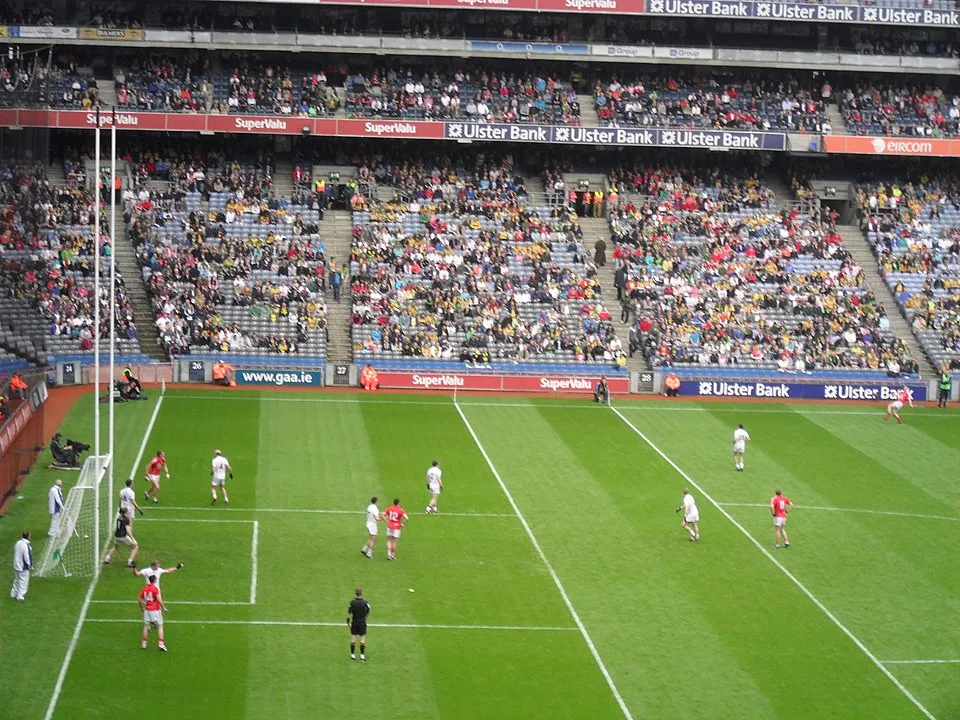
Irish Gaelic games contain a striking contradiction. Senior inter-county hurling and football can involve enormous crowds, sophisticated coaching, intensive physical preparation and national media attention, yet the athletes themselves remain officially amateur.
The Gaelic Athletic Association identifies amateur participation and volunteerism as central organizational values. Even players competing at the highest level receive no salary for playing, meaning sporting commitments coexist with employment, education and family life. [1]
That arrangement is rooted in the local club. GAA clubs are embedded throughout Irish towns and villages, creating a pathway from childhood participation to county representation while maintaining a strong connection between elite players and their home communities. [2]
The difficulty is that competitive standards have continued to rise. Modern inter-county teams can involve large coaching and medical teams, detailed performance analysis, extensive travel and demanding training schedules. Amateur status therefore exists inside an increasingly high-performance environment.
The GAA's Amateur Status Review Committee warned in 2026 that the demands placed on players and volunteers, together with rising team-preparation expenditure, were putting pressure on the model. It proposed a certification system for counties competing at senior inter-county level. [3]
GAA Congress subsequently approved the certification concept with 59.1 percent support. The framework is intended to allow standards around expenditure, support staff, training periods and player welfare while preserving the underlying principle that players themselves remain unpaid. [3]
The debate reaches beyond Ireland. Modern sport often assumes that elite performance eventually leads to professionalization. Gaelic games test that assumption by asking whether a community-based amateur tradition can survive after training standards, audiences and organizational complexity reach professional levels.
Discussion Questions
- Can an organization realistically preserve amateur status while expecting professional-level performance?
- What would be lost culturally if Gaelic games became fully professional?
- How should sporting organizations limit demands on athletes who also have ordinary careers?
- Does attracting large audiences create a moral argument for paying players?
- Which parts of the GAA model could other sports successfully copy?
References
Finished reading? Mark this lesson as done.