Training Chickens' Immune Cells With a Gut Molecule
Key Vocabulary
an immune cell that surrounds and destroys microbes and damaged material
The researchers studied how chicken macrophages responded to bacteria.
to change how a cell or system normally responds
The molecule appeared to reprogram developing immune cells.
studied outside a living organism, usually in laboratory cells or tissue
The results were demonstrated in vitro rather than in whole chickens.
a cellular process that breaks down unwanted or damaged material
The treated immune cells showed increased autophagy.
the ability of microbes to survive medicines designed to kill them
Reducing unnecessary antibiotic use may help slow antimicrobial resistance.
Article
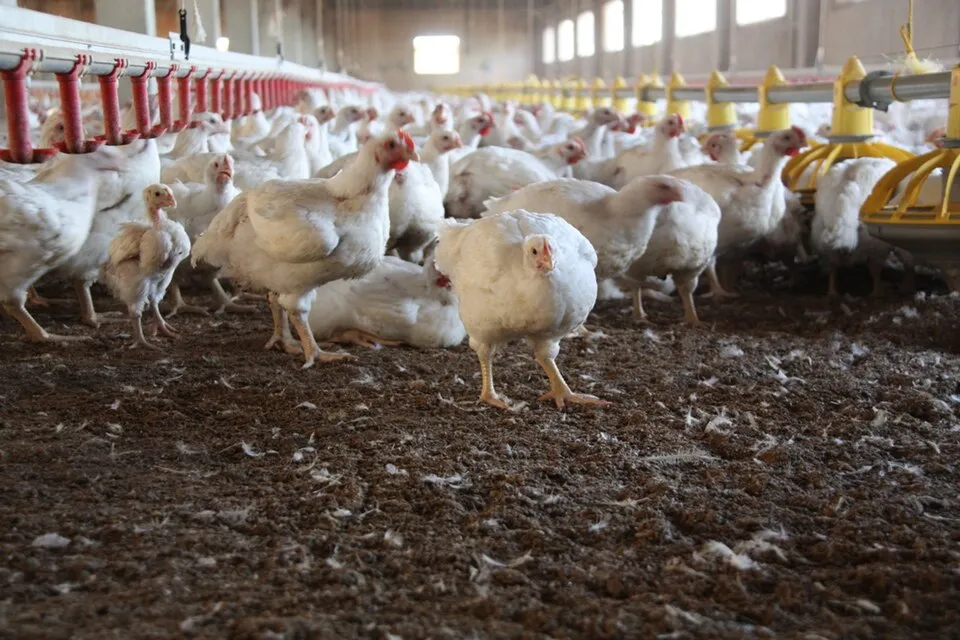
A molecule normally produced by bacteria in the gut may offer a new way to strengthen chickens' defenses against bacterial disease. Research led by the University of Bristol, published on August 12 in The Journal of Immunology, found that sodium butyrate can reprogram developing chicken immune cells to kill several types of bacteria more effectively. [1][2]
The researchers worked with macrophages, immune cells that detect and destroy invading microbes. When developing macrophages were exposed to sodium butyrate, they later showed stronger antibacterial activity against strains including E. coli and Salmonella. [1][2]
Timing proved crucial. The reprogramming occurred while the macrophages were still developing, but applying sodium butyrate to fully mature cells did not produce the same effect. That finding suggests there is a specific biological window in which the molecule can alter how the cells respond. [2]
The study also investigated the mechanism. Reprogrammed cells increased production of reactive oxygen species, which can damage invading bacteria, and increased autophagy, a process that helps cells capture and break down unwanted material. [1][2]
The work is still at an early stage. The experiments were conducted with chicken cells in vitro, rather than demonstrating that giving sodium butyrate to whole flocks will prevent disease on farms. Further research is needed before any practical treatment or feeding strategy can be recommended.
The potential matters because poultry farming faces pressure to control bacterial disease while reducing unnecessary antibiotic use. The World Health Organization has warned that overuse of medically important antibiotics in food-producing animals contributes to antimicrobial resistance. [3]
If researchers can eventually translate the cellular effect into safe farm practices, the approach could provide another tool for disease prevention. For now, its value lies in showing that innate immune cells may be more adaptable during development than previously assumed.
Discussion Questions
- How carefully should researchers communicate laboratory findings that may eventually have practical applications?
- What alternatives to routine antibiotic use should farmers and scientists prioritize?
- Why might the timing of a treatment be as important as the substance being used?
- How should animal welfare, food security and antibiotic resistance be balanced in modern farming?
- What evidence would you want to see before a laboratory discovery was widely used on farms?
References
- University of Bristol, "Immune 'reprogramming' could protect poultry from deadly diseases without antibiotics, study finds." Source
- Adams et al., "Innate immune reprogramming of chicken macrophages by sodium butyrate enhances reactive oxygen species-mediated antimicrobial responses in vitro," The Journal of Immunology. Source
- World Health Organization, "Stop using antibiotics in healthy animals to prevent the spread of antibiotic resistance." Source
Finished reading? Mark this lesson as done.