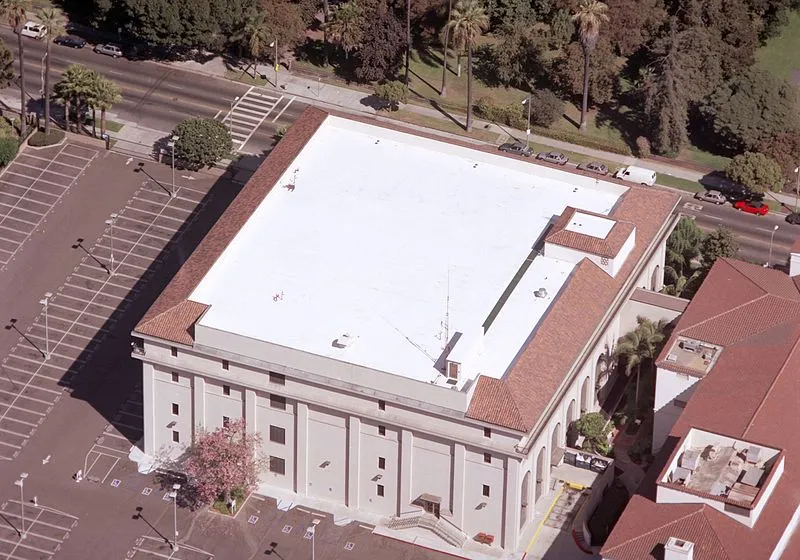
White Roofs and Hot Streets: A Simple Way to Cool Buildings
Key Vocabulary
able to send light or heat away instead of absorbing it
The building has a reflective roof surface.
an area of a city that is hotter than nearby places
Trees and cool roofs can help reduce the heat-island effect.
a thin layer of material covering a surface
Workers installed a reflective membrane on the flat roof.
material that slows the movement of heat into or out of a building
Good insulation helps keep a house comfortable.
warming caused by energy from sunlight
Dark roofs receive more solar heating during the day.
Article
Walk across a dark parking lot on a sunny afternoon and you can feel how much heat a surface can collect. Roofs do the same thing. In cities, large areas of dark roofing contribute to hotter buildings and the urban heat-island effect. [2]
Cool roofs are designed to reflect more sunlight and absorb less heat. White roofs are the easiest example, although modern cool-roof materials can come in other colors. [1]
The U.S. Environmental Protection Agency says cool roofs can make buildings more comfortable and reduce air-conditioning use. In homes without air conditioning, they can lower maximum indoor temperatures by about 1.2 to 3.3 degrees Celsius. [1]
There can also be a neighborhood effect. A cooler roof releases less heat into the surrounding air. When many buildings use reflective roofs, this can help reduce urban heat. [1]
Different buildings need different products. Flat commercial roofs may use reflective membranes or coatings, while houses can use reflective shingles, metal or tiles.
Cool roofs are not perfect everywhere. In cold climates, a building may lose some useful solar heating during winter. Good insulation and local climate should therefore be considered before choosing a roof. [1][3]
The idea is surprisingly simple: if a building must have a roof anyway, its surface can be designed to handle sunlight more intelligently. Sometimes changing an ordinary material can make a city more comfortable without adding another machine.
Discussion Questions
- What building designs work best for the climate where you live?
- Which would be more useful in your city: cool roofs, more trees, more shade structures or something else?
- How much should energy efficiency influence the appearance of buildings?
- What simple changes could make homes more comfortable without using more electricity?
- Who should pay for improvements that benefit both a building owner and the wider neighborhood?
References
Finished reading? Mark this lesson as done.