Conversation Topics / Technology & Everyday Life
Technology & Everyday Life Conversation Questions for Adult ESL Classes
Twenty ESL conversation questions about technology in everyday life for adult learners (A2–C1). Part 1 grounds the topic in daily habits — phones, apps, payments, and screen time. Part 2 debates digital government, privacy, and who technology leaves behind. Each part opens with a vocabulary warm-up and fills about thirty minutes.
Reviewed by Brando Oxley · 6 Aug 2026
Part 1
Phones, Apps, and Daily Habits
Focus: sharing experience, describing, comparing, evaluating, and giving advice
Think of one device you use every day, one verb connected to technology, and one app or website almost everyone in your country uses.
Describe each word without saying it directly. Your teacher or partner must guess the word.
EXPERIENCE
What is the first and last thing you do on your phone each day? How do you feel about that answer?
DESCRIBE
Describe an app or service almost everyone in your country uses. What did people do before it existed?
COMPARE
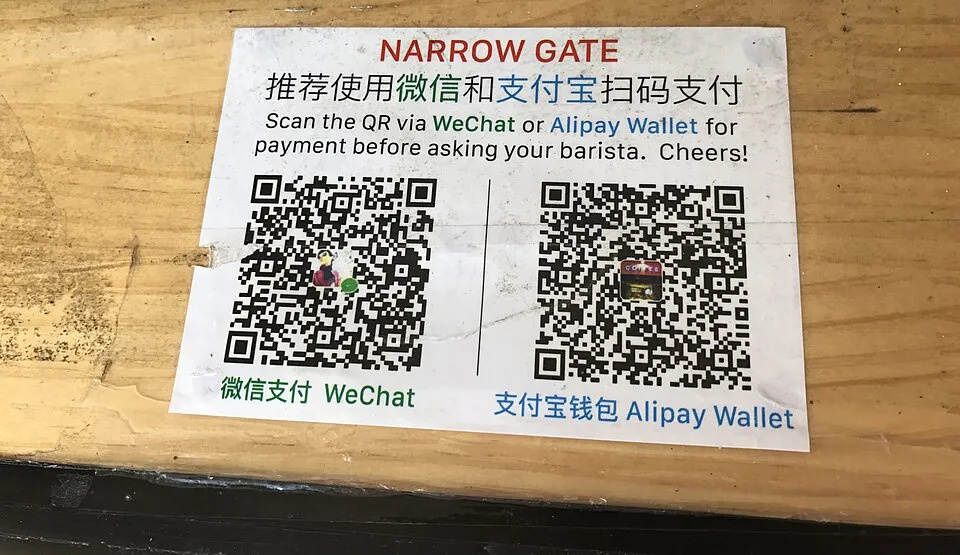
Do small shops in your area use QR code or phone payments? Compare a typical purchase today with one ten years ago.
EVALUATE
Which piece of technology has genuinely improved your life, and which one mostly wastes your time?
ANALYZE
Why is it so hard to put the phone down? What tricks do apps use to keep us scrolling?
PRIORITIZE
If you had to delete all but three apps from your phone, which three survive? Defend each one.
PREFERENCE
For learning something new, do you prefer videos, apps, books, or a human teacher? What does each do best?
PROBLEM-SOLVE
A family member shares false information from the internet in the group chat. What do you actually do?
ADAPT
What do people in your country do when the internet or electricity goes down? What would you struggle with most?
ADVISE
What screen-time rules would you suggest for yourself — not for children? Which one would be hardest to keep?
Part 2
Digital Government, Privacy, and Who Gets Left Behind
Focus: analyzing, discussing, balancing, reflecting, connecting ideas, and creating solutions
In one minute, think of two things people do online instead of in person, two words connected to internet safety, two devices in your home, and one group of people technology sometimes leaves behind.
ANALYZE
What official services can people complete online in your country? Which still require standing in a queue?
DISCUSS
Latvia’s identity card works as a digital key for state services. How much personal information should one national ID contain?
BALANCE
What risks arise when essential government services become mainly digital? What must always keep a human alternative?
REFLECT
Would you trust an electronic signature as much as a handwritten one? Explain your reasoning.
IMPROVE
How should governments assist citizens who lack digital skills or equipment? Design two concrete forms of help.
CULTURE
Is your country generally excited or cautious about new technology? Give an example that shows the national attitude.
DEFINE
What does privacy mean in a world of cameras, apps, and data? What are you personally willing to trade it for?
EVALUATE
Should shops and services always be required to accept cash as well as digital payments? Who depends on that?
CONNECT
Think of one task that technology made easier and one relationship it made harder. What is the pattern?
CREATE
Invent a public app for your city that does not exist yet. What problem does it solve, and how would people use it?
Lessons on this topic
Full reading + discussion lesson plans that pair with these questions.