Beneath Montréal: The City Network Built for Every Season
Key Vocabulary
kept within a comfortable temperature range by heating or cooling systems
RÉSO provides temperature-controlled routes during winter.
designed as one coordinated project from the beginning
The network was not master-planned as a single underground city.
streets, squares and other spaces shared by the public
Busy sidewalks are an important part of the public realm.
the physical pattern and connections that make up a city
The underground passages have become part of Montréal's urban fabric.
covering some of the same area or function at the same time
Montréal has overlapping indoor and outdoor pedestrian networks.
Article
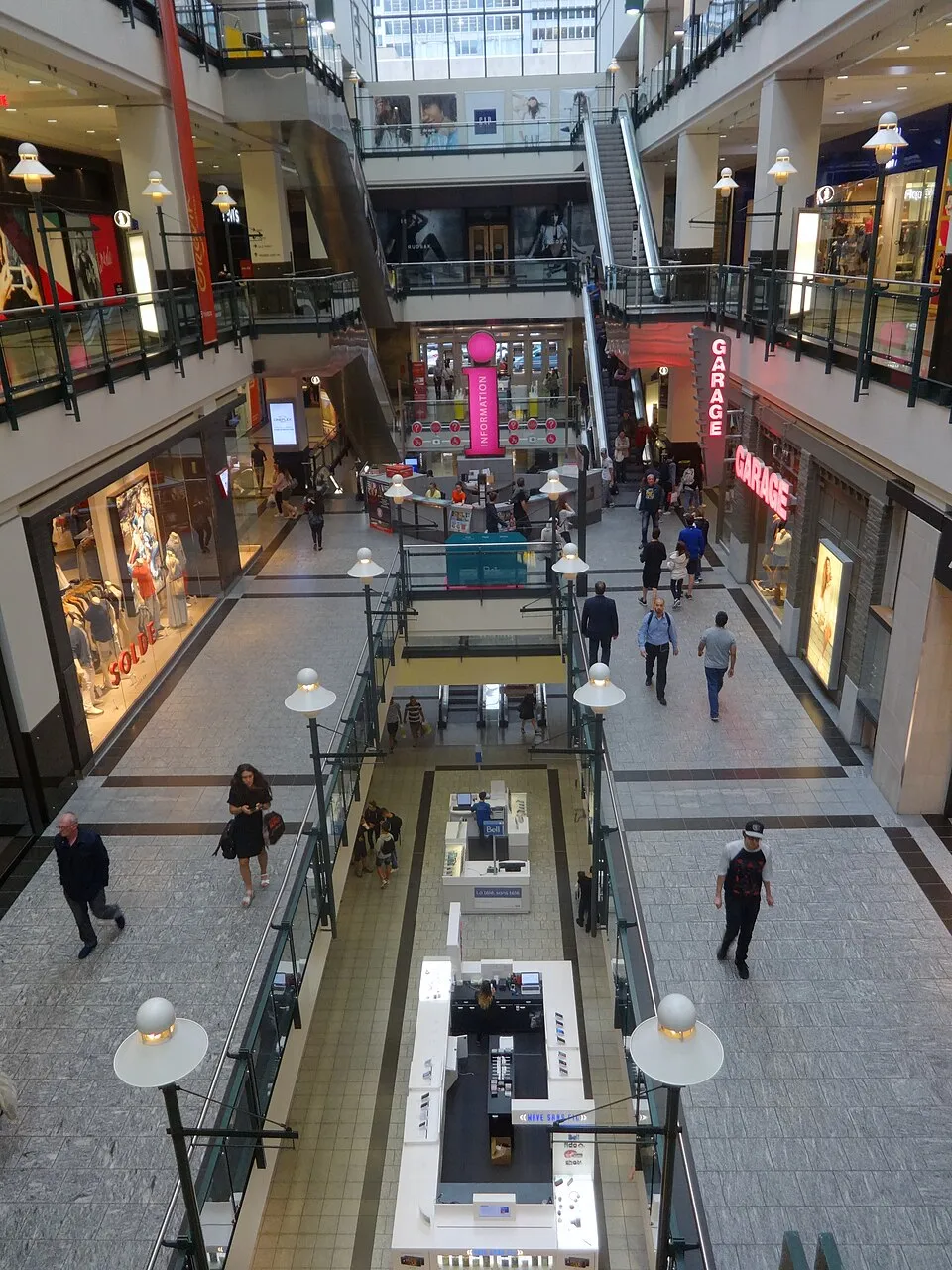
Montréal's RÉSO is often called the Underground City, a name that suggests a secret metropolis beneath the streets. The reality is more practical and, in urban-design terms, more interesting: approximately 32 to 33 kilometres of interconnected pedestrian routes link downtown transit stations, offices, hotels, shopping centers, universities, museums and cultural venues. [1][3]
Climate gives the network much of its logic. Montréal winters can make long outdoor walks uncomfortable, while summer heat also encourages people to seek indoor routes. RÉSO allows daily movement to continue through a temperature-controlled environment connected directly to metro and commuter services. [1][2]
The system was not built as one master-planned tunnel. Its roots lie in early-1960s developments such as Place Ville Marie, and it expanded as the metro opened and the city prepared for Expo 67. New commercial and institutional projects gradually created additional links. [3]
That history explains the network's irregular character. A pedestrian may move from a station concourse into a shopping complex, cross beneath a street, pass through an office building and emerge several blocks away. Different property owners also mean that entrances and opening hours are not perfectly uniform.
RÉSO blurs the boundary between transportation infrastructure and commercial space. A route to work can pass restaurants, shops and services, while a shopping trip may depend on public transit corridors. The network succeeds partly because these functions reinforce one another.
Its popularity also raises a broader urban question. Protected indoor movement is comfortable, yet city streets rely on pedestrians for activity and social life. Montréal has effectively created two overlapping downtowns—one exposed to weather and one sheltered from it. The interesting design challenge is ensuring that convenience below ground complements rather than empties the public realm above.
Discussion Questions
- How should cities balance weather-protected movement with lively outdoor streets?
- What advantages arise when transport, shopping and workplaces are physically connected?
- Could a network like RÉSO work in a hot or rainy city as well as in a cold one?
- What problems can occur when public pedestrian routes pass through privately managed buildings?
- Does comfortable indoor movement make a downtown more inclusive, or can it create a separate city experience for different groups?
References
Finished reading? Mark this lesson as done.