Walking Under Montréal
Key Vocabulary
below the surface of the ground
We walked through an underground passage.
a path or corridor that connects places
The passage connects the station and the shopping center.
to join two or more places or things
The network connects many downtown buildings.
an underground or urban train system
We took the metro to downtown Montréal.
a place with many paths that can be difficult to follow
The underground network sometimes feels like a maze.
Article
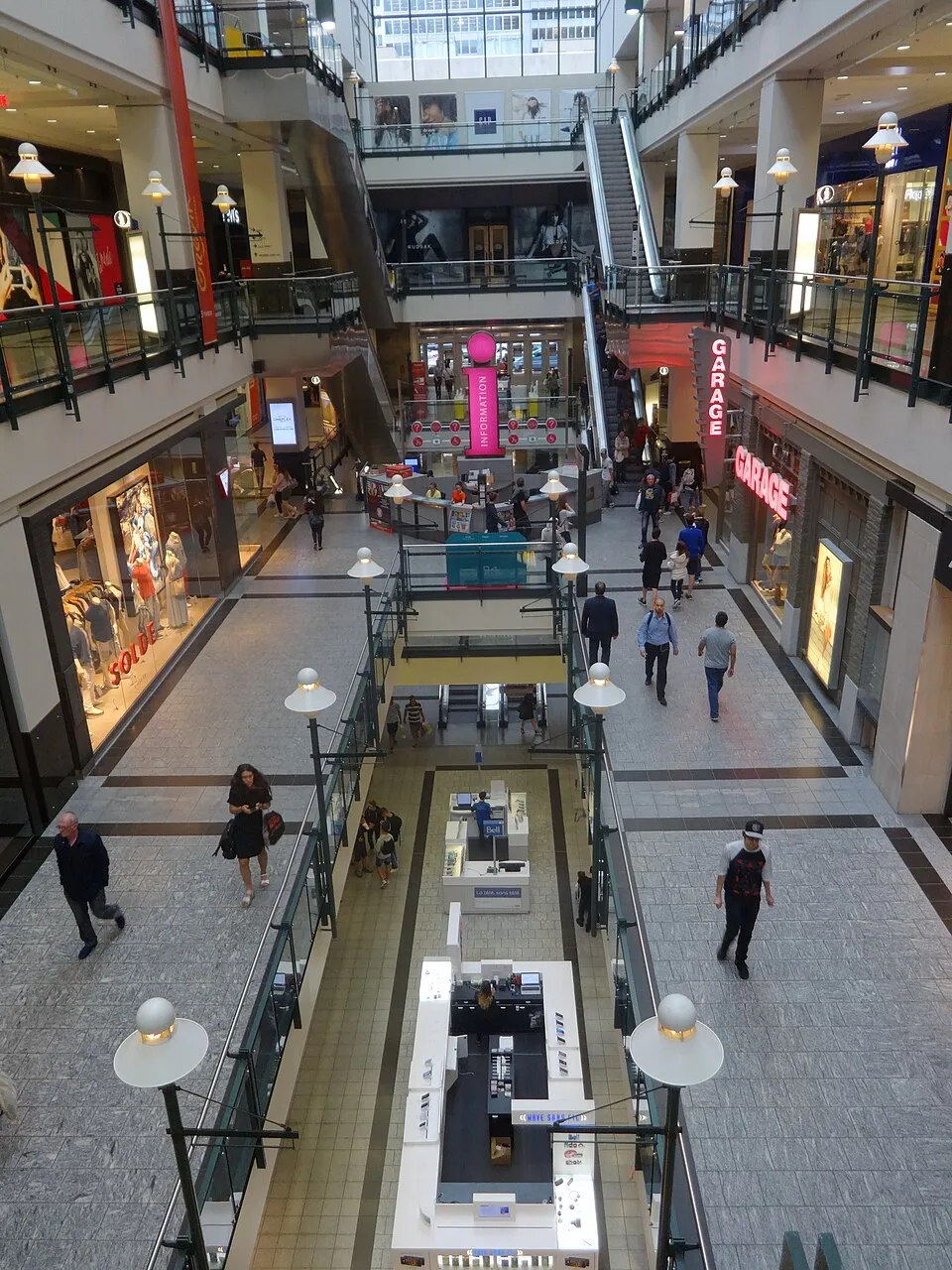
Montréal has many walking paths under the city center. People often call this the Underground City or RÉSO. The network is about 32 to 33 kilometres long. [1][2]
The passages connect metro stations, train stations, shops, offices, hotels and other buildings. Many people use them every day. [1]
The network is very useful in winter. Montréal can be cold and snowy, so people can walk a long distance without staying outside for the whole trip.
Some parts look like shopping malls. Other parts are inside stations or large buildings. It is not one long tunnel.
The first connections appeared in the 1960s. The network grew as Montréal built its metro and prepared for Expo 67. [3]
Visitors can use signs to find their way, but the system can still feel like a maze. For many people, that is part of the fun: a normal walk through downtown can suddenly continue underneath the streets.
Discussion Questions
- Would you enjoy walking under a city?
- What places would you want an underground network to connect?
- How do people travel during bad weather where you live?
- What makes a city easy to walk around?
- Would you rather explore RÉSO with a map or just walk and see where you go?
References
Finished reading? Mark this lesson as done.