Montréal Below Street Level: Inside the RÉSO
Key Vocabulary
a connected system of routes designed mainly for people walking
RÉSO is a large indoor pedestrian network.
a large open passage or hall in a station or public building
The route passes through a metro concourse.
linked together so different parts can be reached from one another
The downtown buildings are interconnected by underground passages.
the process of finding and following a route through a place
Good signs make wayfinding easier underground.
combining several functions such as shopping, offices, transport and entertainment
RÉSO connects many mixed-use downtown buildings.
Article
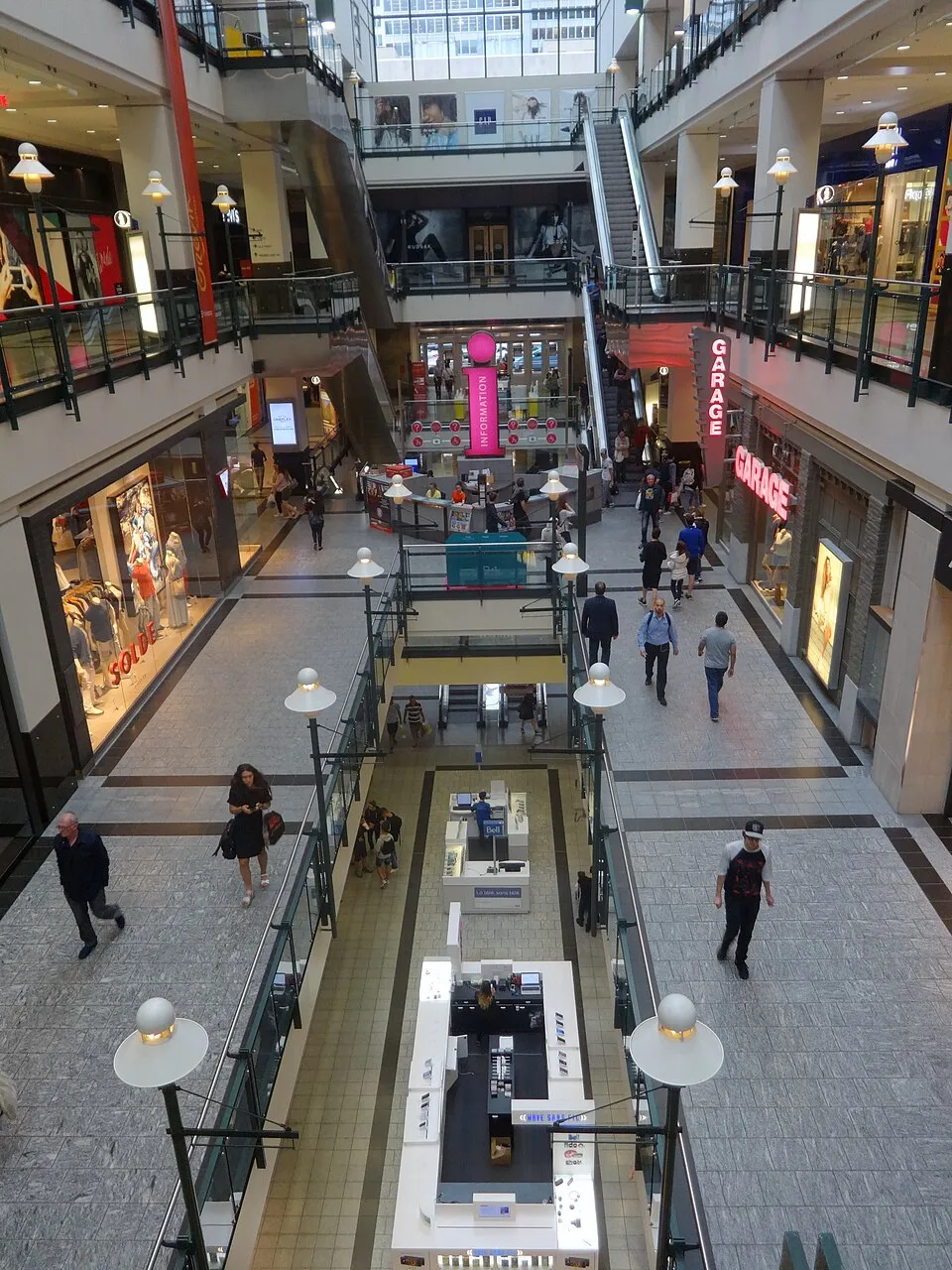
Downtown Montréal has a second pedestrian landscape beneath street level. Known as the Underground City or RÉSO, the network connects metro and train stations with offices, hotels, shopping centers, universities, museums and entertainment venues. Tourisme Montréal describes roughly 32 to 33 kilometres of connected passages used by about half a million people on a typical day. [1][3]
The network is especially useful because Montréal's weather can be extreme. Winter can bring snow, ice and deep cold, while summer can be hot and humid. Moving through RÉSO allows commuters, students and visitors to cross large sections of downtown without spending the entire trip outdoors. [1][2]
The idea began with major downtown developments in the early 1960s. Connections around Place Ville Marie and the new metro system expanded further as Montréal prepared for Expo 67. Over time, separate basements, stations and shopping complexes were linked into a much larger network. [3]
Calling it an "underground city" can be slightly misleading. It is not a single tunnel or hidden neighborhood with its own streets. Instead, it is a chain of privately and publicly managed corridors and buildings. At some points you walk through a mall; at others, a metro concourse, office complex or convention center.
For newcomers, navigation can be part of the adventure. RÉSO signs help, but entrances and opening hours vary because the network passes through many different properties. A route that looks simple on a map may involve escalators, food courts and unexpected turns.
The network changes how downtown feels. In bad weather, thousands of daily journeys shift below the sidewalk, making indoor public space part of the city's transportation system. Montréal's answer to winter is therefore not simply to fight the cold outside; it has also built an alternative layer where everyday life can keep moving underneath it.
Discussion Questions
- Would you prefer walking underground in winter or staying on the street whenever possible?
- How does climate influence the design of cities in your country?
- What makes an underground pedestrian network easy or difficult to navigate?
- Should more cities connect private buildings to public transport in this way?
- How might a large indoor network change street life above ground?
References
Finished reading? Mark this lesson as done.