Conversation Topics / Shopping
Shopping Conversation Questions for Adult ESL Classes
Twenty ESL conversation questions about shopping for adult classes (A2–C1). Part 1 covers habits — where people buy, small shops versus supermarkets, and online carts. Part 2 looks at second-hand culture, trust, and the future of the high street. Each part opens with a vocabulary warm-up and runs about thirty minutes.
Reviewed by Brando Oxley · 5 Aug 2026
Part 1
Where and How We Shop
Focus: sharing experience, describing, comparing, evaluating, and giving advice
Think of one thing you bought recently, one verb connected to shopping, and one type of shop.
Describe each word without saying it directly. Your teacher or partner must guess the word.
EXPERIENCE
What was the last thing you bought that made you genuinely happy? Where and how did you buy it?
DESCRIBE
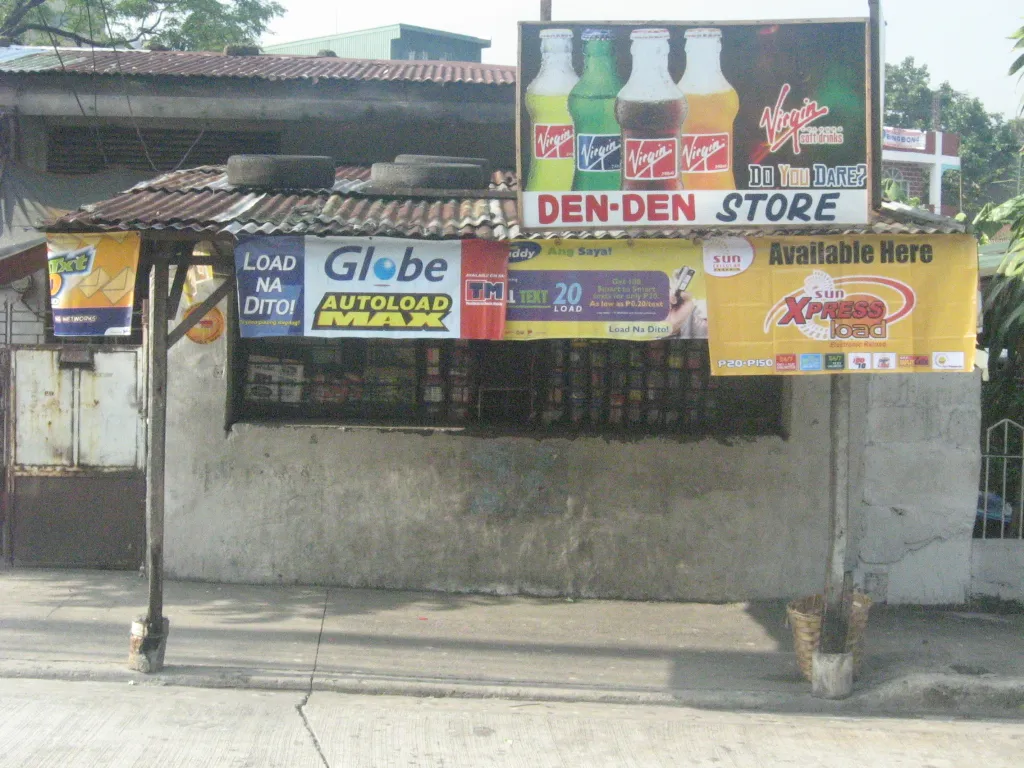
What type of small neighbourhood shop is common in your country, like the Philippine sari-sari store? Describe one you know personally.
COMPARE
Why might customers choose a small local store instead of a supermarket — and when does the supermarket win?
ANALYZE
How important is personal trust between shop owners and customers in your community? Can an app replace it?
PREFERENCE
Do you enjoy shopping, tolerate it, or avoid it? Which kind of shopping is the exception?
EVALUATE
Think about your last five purchases. How many were needs and how many were wants? Any regrets?
PRIORITIZE
When you buy clothes, what matters most: price, quality, brand, or how they were made? Rank and explain.
PROBLEM-SOLVE
Online shopping makes buying too easy for some people. What habits or rules help someone control impulse purchases?
ADAPT
How has shopping in your country changed in the last ten years? What do you miss, if anything?
ADVISE
A visitor wants to shop where locals actually go. Which street, market, or district do you send them to?
Part 2
Second-Hand, Small Shops, and the Future
Focus: analyzing, reflecting, discussing, improving, connecting ideas, and creating solutions
In one minute, think of two things people buy every week, two ways to pay, two words describing prices, and one problem small shops face.
ANALYZE
Are second-hand or charity shops common in your country, as they are on British high streets? Who shops there, and why?
PREFERENCE
What types of used items would you be comfortable buying — clothes, books, furniture, electronics? Where is your limit?
DISCUSS
Should charity shops receive lower taxes than ordinary businesses? Is that fair to the shop next door?
REFLECT
How do people in your country usually dispose of usable unwanted goods? What happens to your own?
EVALUATE
Do you think buying second-hand will become more popular in the future? What would make it normal rather than niche?
CULTURE
Is bargaining part of shopping in your country? Teach your partner how to negotiate a price like a local.
BALANCE
How should governments support family-run shops without protecting them from all competition? Where is the line?
IMPROVE
What technology would most help small retailers in your country — payments, delivery, stock, or something else?
CONNECT
What does a street full of small shops give a neighbourhood that a shopping mall cannot?
CREATE
Design the perfect small shop for your street. What does it sell, who runs it, and why would people keep coming back?
Lessons on this topic
Full reading + discussion lesson plans that pair with these questions.
Why Sari-Sari Stores Remain Important in Philippine Neighborhoods
Work, Education & Business

Why Charity Shops Are Common on British High Streets
Cities, Transport, Housing & Environment
Why Farmers' Markets Are More Than Places to Buy Vegetables
Everyday Life & Culture